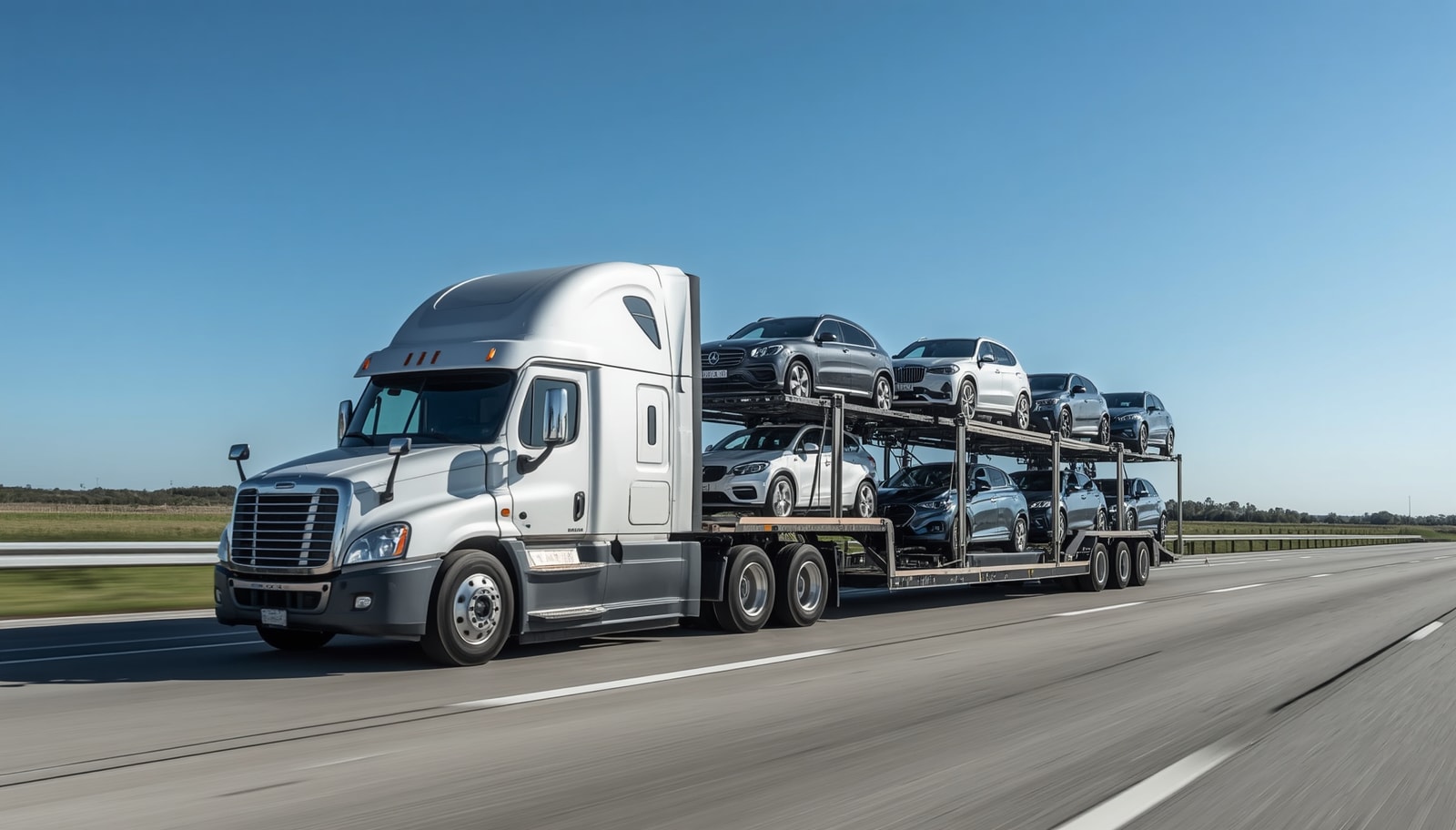
When you're moving, the car is one more thing to figure out — and usually one of the last. Driving it means days on the road after an already exhausting move. Shipping it means one less thing to manage, as long as the timing lines up.
This guide works for every kind of relocation: a job transfer, a military PCS, a student heading to school, a snowbird season, a family move or a car you bought online. It walks through timing, cost, prep and what to do once the car arrives.
Free car shipping quote
What will it cost to ship your car?
Get Your Free Quote
Free quote in 60 seconds · We never sell your info
Step 1: Anchor the Pickup Window to Your Move Date
Work backward from the day you need the car:
- General moves: Book two to three weeks ahead. In summer (May–August), give it three to four.
- Military PCS: Book as soon as you have orders. See our PCS vehicle shipping guide.
- Corporate relocation: Check with HR before booking — see corporate relocation car shipping.
- College: Plan around move-in day and campus parking rules. See should you bring a car to college.
- Snowbirds: Book early for the fall and spring rushes. See our snowbird guide.
A common plan: ship the car a few days before you leave, so it arrives around the time you do.
Step 2: Get a Firm Quote, Not Just an Estimate
Get two or three quotes from licensed companies, verify each company's USDOT or MC number, and ask whether the price is firm in writing. Use our quote comparison scorecard.
Typical ShipMyCar US open-carrier pricing for a sedan:
- Under 500 miles: $400–$750
- 500–1,000 miles: $700–$1,050
- 1,000–1,500 miles: $950–$1,300
- 1,500–2,000 miles: $1,100–$1,500
- Coast to coast: about $1,300–$1,800
Step 3: Prepare Documents and the Vehicle
Documents: Title or registration (or lienholder authorization if financed), a photo ID, and contact details for someone at each end.
Vehicle: Wash it, photograph it, leave about a quarter tank, remove toll tags and valuables, and disable alarms. Most carriers allow a limited amount of personal items — see personal items in car shipping.
Full checklist: how to prepare your car for shipping.
Want your actual price? Request a free quote in 60 seconds — no payment, no spam.
Get My Free Quote →Step 4: Coordinate Pickup and Delivery
- Make sure someone can release the car at pickup and receive it at delivery.
- If your new home is on a narrow street or in a gated community, choose a nearby lot where a large truck can stop.
- Military bases: Confirm gate access rules at booking.
- Campuses: Many schools restrict large trucks; a nearby parking lot often works better.
Transit after pickup is typically one to two days for under 500 miles, three to five days for about 1,000 miles, and seven to ten days coast to coast.
Step 5: Inspect at Delivery, Then Register
Inspect the car in good light before signing the Bill of Lading, and note any new damage. Then start your registration — many states give new residents only 10 to 30 days. See moving a car to a new state.
Is It Cheaper to Drive or Ship?
Under about 500 miles, driving usually costs less. Beyond 1,000 miles, shipping often matches or beats driving once you add hotels, meals, fuel, wear and time off. Run your own numbers with is it cheaper to fly or drive, or see our family relocation car shipping service.
Car Shipping Moving Checklist
- Four to six weeks before: Get quotes and check company licenses.
- Two to three weeks before: Book your shipment and confirm dates.
- One week before: Wash the car, remove personal items and toll tags.
- Pickup day: Inspect with the driver, take photos and keep your copy of the Bill of Lading.
- After delivery: Inspect, register in your new state and update your insurance.
Want your actual price? Request a free quote in 60 seconds — no payment, no spam.
Get My Free Quote →Moving More Than One Car
Many households move two or more vehicles. You can ship both, or drive one and ship the other. Shipping them together on one booking can lower the cost per car. See multi-vehicle shipping.
Budgeting for Your Move
Add the car to your moving budget early. For a sedan on an open carrier, ShipMyCar US pricing typically runs $400–$750 under 500 miles, $700–$1,050 for 500–1,000 miles, and about $1,300–$1,800 coast to coast. Discounts are available for military, students, seniors and multi-car shipments.
Vehicle Relocation by Situation
Military PCS: Book as soon as you have orders. Confirm what the government ships, especially for overseas moves. See PCS vehicle shipping.
College students: Plan around move-in and move-out weeks, which are busy. See should you bring a car to college.
Snowbirds: Book early for the fall and spring rushes. See snowbird auto transport.
Families: Coordinate the car with your movers and travel dates. See family relocation car shipping.
Corporate relocations: Check your relocation package first. See corporate relocation car shipping.
Online buyers: Coordinate pickup with the seller. See buying a car online.
Delivery to Bases, Campuses and Gated Communities
- Military bases: Many restrict commercial trucks; plan to meet outside the gate or confirm access in advance.
- College campuses: Large trucks are often restricted; use a nearby lot.
- Gated communities and HOAs: Ask about truck rules and gate codes.
- Apartment complexes: Tight parking lots may not fit a car carrier; meet on a nearby wide street.
- Temporary housing: Delivering to a temporary address is fine; you can move the car later.
PPM (DITY) Moves and Your Car
For military members doing a personally procured move (PPM, formerly called DITY), rules about what's reimbursable are specific. Vehicle shipping within the continental U.S. usually isn't covered the same way household goods are; mileage reimbursement for driving is more common. Check with your transportation office before booking, and keep every receipt.
Open or Enclosed for a Relocation?
Open transport handles the vast majority of relocations safely and is the most affordable. Choose enclosed for classic, exotic or high-value cars, or if you're moving in winter on northern routes and want to avoid road salt. See open vs. enclosed car transport.
If Something Goes Wrong
Note any new damage on the Bill of Lading before signing at delivery, photograph it, and contact your broker the same day. The carrier's insurance handles valid claims. Keep your pickup photos and paperwork together. See car damaged during shipping.
Documents for a Relocation Shipment
- Photo ID for whoever releases and receives the car
- Keys, including a spare if possible
- Title or registration, if the carrier asks for proof of ownership
- Lienholder information for financed cars (needed for some ocean and international moves)
- Military orders, for PCS moves
- Contact details for backups at both ends
What a Vehicle Relocation Typically Costs
For a sedan on an open carrier, ShipMyCar US pricing typically runs:
- Under 500 miles: $400–$750 — for example, Washington to Oregon or Georgia to North Carolina.
- 500–1,000 miles: $700–$1,050 — for example, Alabama to Texas.
- 1,000–1,500 miles: $950–$1,300 — for example, Texas to Virginia.
- 1,500–2,000 miles: $1,100–$1,500 — for example, Arizona to Florida.
- Coast to coast: about $1,300–$1,800 — for example, California to Pennsylvania.
SUVs, pickups, enclosed transport and non-running vehicles cost more. Military, student, senior, snowbird and multi-car discounts apply.
How Long a Relocation Shipment Takes
- Under 500 miles: About 1–3 days in transit.
- 500–1,000 miles: About 2–4 days.
- 1,000–1,500 miles: About 3–5 days.
- 1,500–2,000 miles: About 4–7 days.
- Coast to coast: About 6–10 days.
Add one to five days for carrier assignment before pickup. Rural pickups, summer moves and winter weather can add time.
Common Relocation Mistakes
- Booking the car last, after movers and flights are set, and finding no trucks available
- Packing the car with boxes
- Forgetting toll tags, garage remotes and parking permits
- Not arranging someone to release or receive the car
- Missing the new state's registration deadline
Frequently Asked Questions
How far in advance should I book shipping for a move?: Two to three weeks for most moves, and three to four weeks in summer. Military families should book as soon as orders arrive.
Will my employer pay for shipping my car?: Many relocation packages include it, but confirm with HR before booking and keep every receipt.
How long does vehicle relocation shipping take?: Usually one to five days to assign a carrier, plus one to ten days in transit depending on distance.
What documents do I need to ship my car when moving?: Typically the title or registration, a photo ID and the Bill of Lading at pickup. Financed vehicles may need lienholder authorization for some shipments.
Can I ship my car before I move?: Yes. Many people ship the car a few days before leaving so it arrives around the same time they do.
Can I store my car until my new home is ready?: Short-term storage can sometimes be arranged. Ask at booking.
Can I relocate a leased car?: Usually, for domestic moves. Check your lease for any restrictions on out-of-state use.
Can I ship my car and my motorcycle together?: Often, yes. Many carriers can take a motorcycle with a car on the same booking.
Should I get my car serviced before shipping?: A quick check of the battery, tires and fluids helps, especially if the car will sit after delivery.
Do I need to cancel my insurance before shipping?: No. Keep your insurance active during transport, then update it for your new state after you arrive.
What if my move date changes after I book?: Tell us as soon as possible. Changing dates before a carrier is assigned is usually simple; after assignment, we may need to find a new carrier.
Can I ship a car that isn't registered in my name yet?: Usually, with a bill of sale or other proof that you're authorized to ship it.
Source: every broker and carrier's operating authority, safety rating, and insurance status is public record — verify any company for free at the FMCSA SAFER System.
Related Articles
Moving a Car to a New State: Registration, Inspection and Title Rules
Corporate Relocation Car Shipping: A Guide for HR and Mobility Teams