The fly versus drive debate comes up every time you need to cover serious distance — a family visit, a vacation, a relocation across the country. Most people do a quick calculation: airline ticket price versus fuel cost. The cheaper number wins and they move on. The problem is that comparison is missing the majority of what each option actually costs.
Driving has a long cost tail beyond fuel: vehicle wear and depreciation, meals on the road, hotel nights for multi-day hauls, and the significant value of the time you spend behind the wheel. Flying has its own hidden layer: baggage fees, airport parking or rideshares, and the often-overlooked cost of a rental car at your destination. Once you include those, the math shifts dramatically.
The honest answer to the fly-or-drive question depends on distance, number of passengers, how you value your time, and a third option many people never think to calculate: shipping your car and flying. This guide runs the complete numbers on all three so you can make the decision with real information — not a gas-versus-ticket shortcut.
The True Cost of Driving — Beyond the Gas Station
Fuel: Gas is the most visible driving expense but often accounts for only 40–60% of the real total. A typical sedan averaging 30 MPG costs roughly $90–$110 in fuel for a 1,000-mile trip at current national average prices around $3.10 per gallon. A full coast-to-coast drive of 2,800 miles runs $285–$310 in fuel alone. That sounds manageable — until you add everything else.
Vehicle wear and depreciation: The IRS sets its standard mileage rate at $0.67 per mile for 2026 — and that figure exists precisely because fuel is only part of what driving costs. Every mile adds measurable wear to your tires, brakes, oil, engine components, and eventual resale value. At the full IRS rate, a 1,000-mile trip carries $670 in real vehicle cost. A 2,800-mile cross-country drive carries $1,876. These are not itemized expenses you see at checkout — they appear months later as maintenance bills and lower trade-in offers. Most people exclude them from their fly-vs-drive math entirely, which is why they consistently underestimate the real cost of driving.
Meals on the road: A solo driver covering 500 miles per day spends 8–10 hours behind the wheel. That means two or three paid meals per travel day at $20–$40 each. A five-day cross-country drive adds $200–$400 in food expenses that would not exist if you had flown.
Hotel nights: Any trip requiring more than one driving day requires at least one overnight stay. A mid-range hotel room along major US interstates runs $110–$160 per night in 2026. A cross-country drive typically requires four nights — $440–$640 in lodging on top of everything else.
Your time: The most significant cost of driving is also the one most consistently left out of the calculation. A cross-country drive at 500 miles per day takes five full days — roughly 50 hours of active driving. For anyone whose time has quantifiable value, this is not a free resource. Even at a modest $40 per hour, 50 hours is $2,000 worth of time that cannot be applied to work, family, or anything else while you are behind the wheel.
The True Cost of Flying — What the Ticket Price Does Not Include
Airfare: Domestic airfare in 2026 ranges widely depending on route, timing, and how far in advance you book. A cross-country flight from New York to Los Angeles booked 2–3 weeks out runs $180–$400. Short regional hops under 400 miles can be found for $80–$200. Last-minute or peak-summer bookings push toward the upper end of those ranges consistently.
Baggage fees: The major US carriers charge $35–$45 for a first checked bag and $45–$65 for a second. A family of four each checking one bag on a round-trip adds $280–$360 in fees on top of base fares. This is the most commonly omitted cost in fly-vs-drive comparisons made by budget-conscious travelers.
Airport transportation: Getting to and from major airports has a real cost that compounds quickly. Long-term parking at large US airports runs $25–$45 per day — a five-day trip generates $125–$225 in parking alone. Rideshares to and from airports in major cities typically cost $35–$80 each way. Two round-trip rideshares add $140–$320 to the total, invisibly.
Rental car at destination: This is the single cost that most frequently flips the fly-vs-drive calculation in driving's favor — and it is the one travelers least anticipate when they are focused on airfare. If you need a car at your destination and you did not drive one there, you have to rent one. Economy car rentals in 2026 run $55–$110 per day before taxes and fees. A seven-day vacation with a rental car adds $385–$770 to your flight cost. A relocation where you need immediate transportation upon arrival means either renting a car until your vehicle is shipped or factoring in weeks of rideshare dependence.
Time savings: The one genuine advantage flying holds over driving on long routes is transit time. A direct flight from New York to Los Angeles takes five to six hours. Including airport check-in, security, and baggage claim, total door-to-airport-to-door time runs 8–10 hours. That is still a fraction of a five-day drive — and arrives you functional rather than exhausted.
When Flying Is the Cheaper and Smarter Choice
Flying beats driving clearly in three scenarios:
Solo travelers on routes over 1,000 miles: For a single person driving more than 1,000 miles, the IRS-rate vehicle operating cost alone ($670+ for 1,000 miles) exceeds the cost of most domestic flights when booked with reasonable advance notice. Add hotels, meals, and the value of five days of time, and flying wins decisively.
Time-sensitive travel: For any traveler whose time has meaningful economic value — consultants, freelancers, executives, small business owners — flying saves 30–45 hours versus driving on a cross-country route. At even a modest hourly rate, those hours are worth more than the cost difference between flight and fuel.
City destinations with good transit: Trips to New York, Chicago, San Francisco, Boston, or any major city where public transit and rideshares make a personal vehicle unnecessary remove the rental car cost from the flying total entirely. Pay a rideshare from the airport, use the subway or bus for the trip, and the destination mobility problem disappears. For these destinations specifically, flying often wins on both cost and convenience.
When Driving Is the Cheaper and Smarter Choice
Driving beats flying in a specific but common set of circumstances:
Multiple passengers splitting costs: Add two or three passengers to a car and the per-person economics of driving improve dramatically. A family of four sharing fuel costs on a 1,000-mile trip might spend $320 total — $80 per person in fuel. Four economy seats on the same route cost $400–$900 in airfare before baggage and airport transport are added. For families and groups, driving is almost always the more cost-efficient choice on regional and mid-range routes.
Routes under 400 miles: For regional travel under 400 miles, driving is almost always cheaper than flying and often nearly as fast when airport overhead is included. The drive from Washington DC to New York (225 miles, roughly four hours) competes directly with the airport process on both total time and cost. Short-haul flights are also where airlines most aggressively charge for bags, making the full flight cost less competitive against a straightforward drive.
Trips with luggage or gear that would cost a fortune to check: Skis, golf bags, surfboards, camping equipment — gear that airlines charge $75–$200 each way to transport often tips the economics firmly toward driving. When checked bag fees on specialized equipment approach or exceed the cost of fuel for the trip, driving makes immediate financial sense.
The Third Option: Ship Your Car and Fly
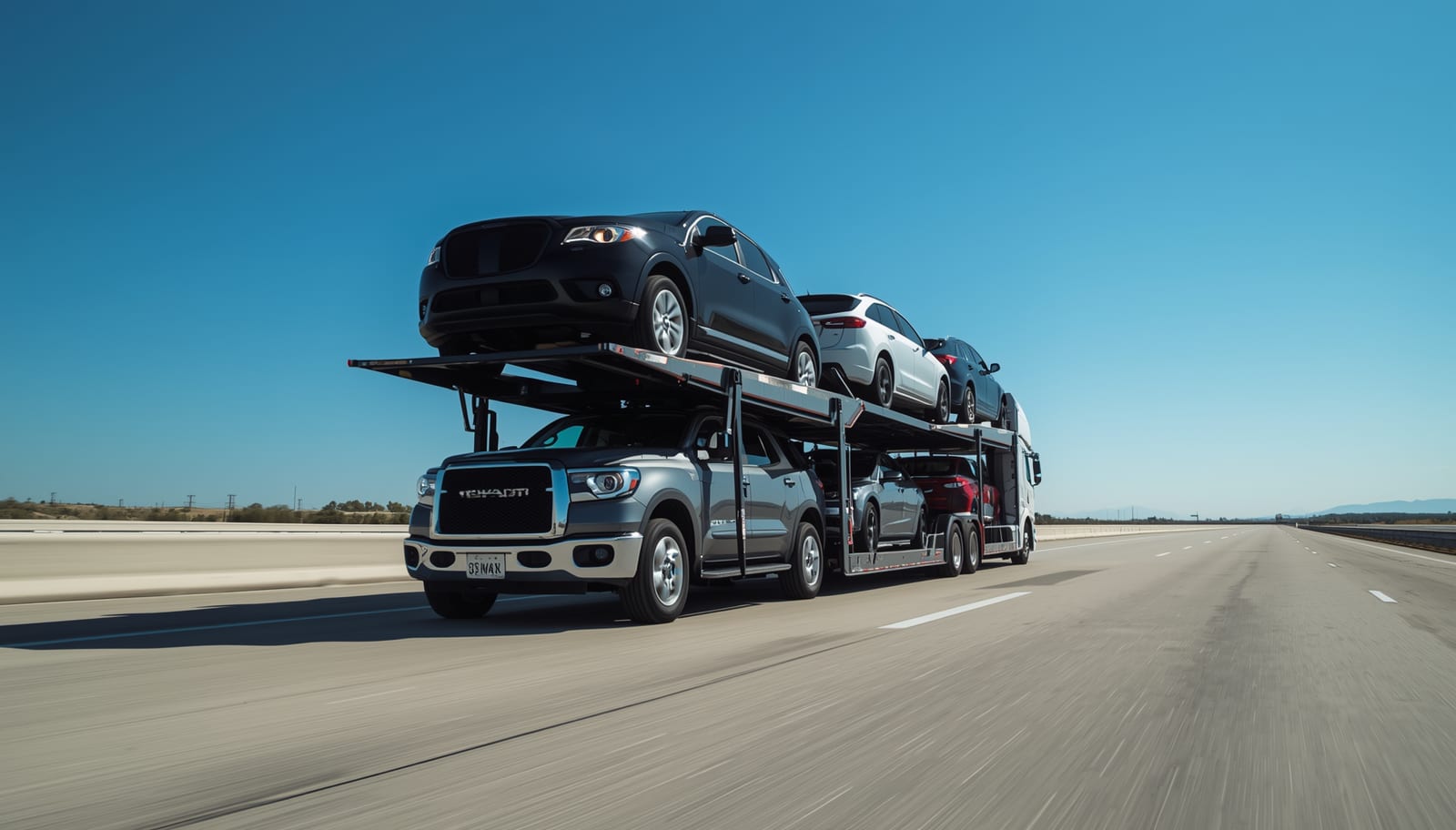
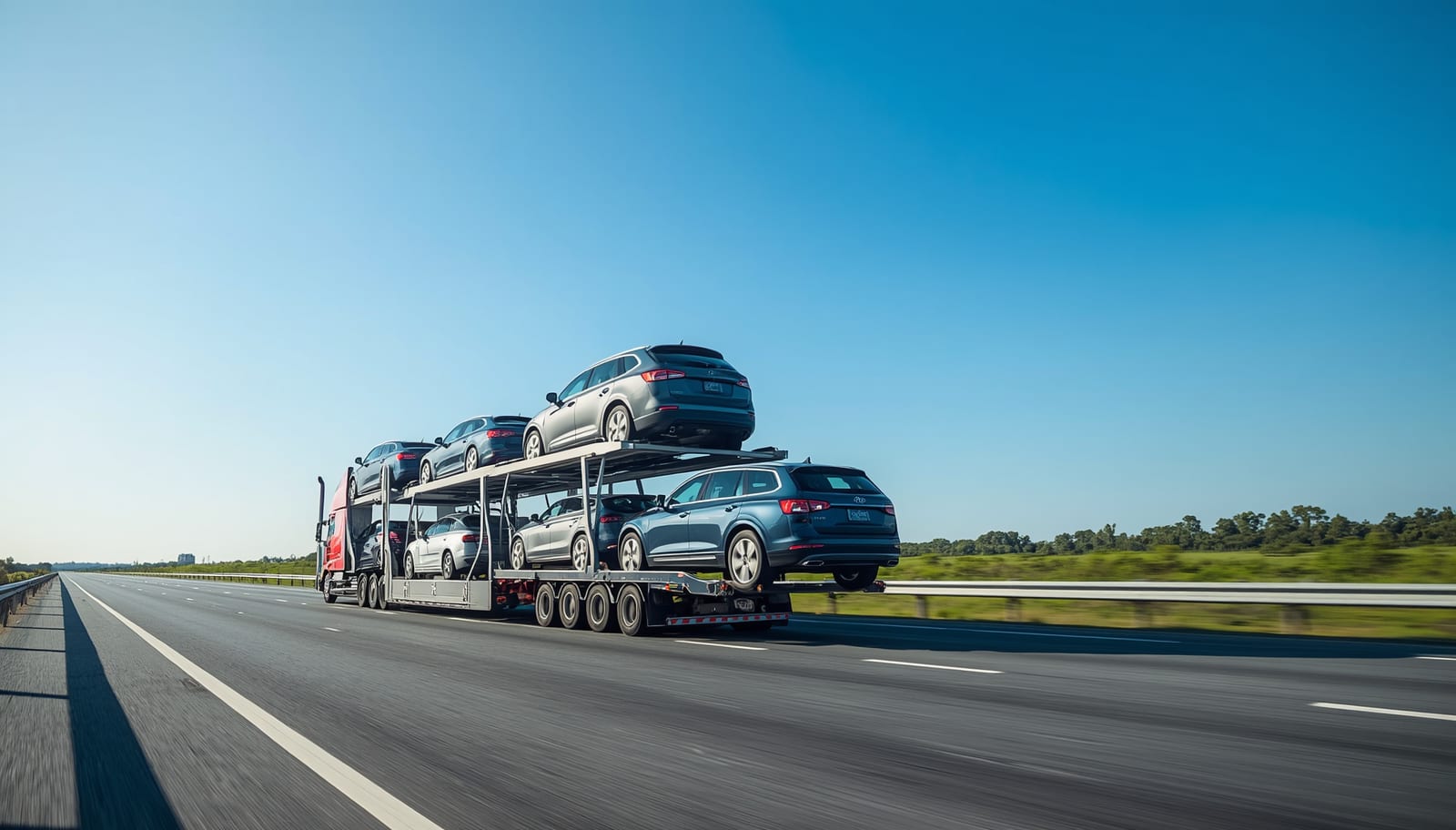
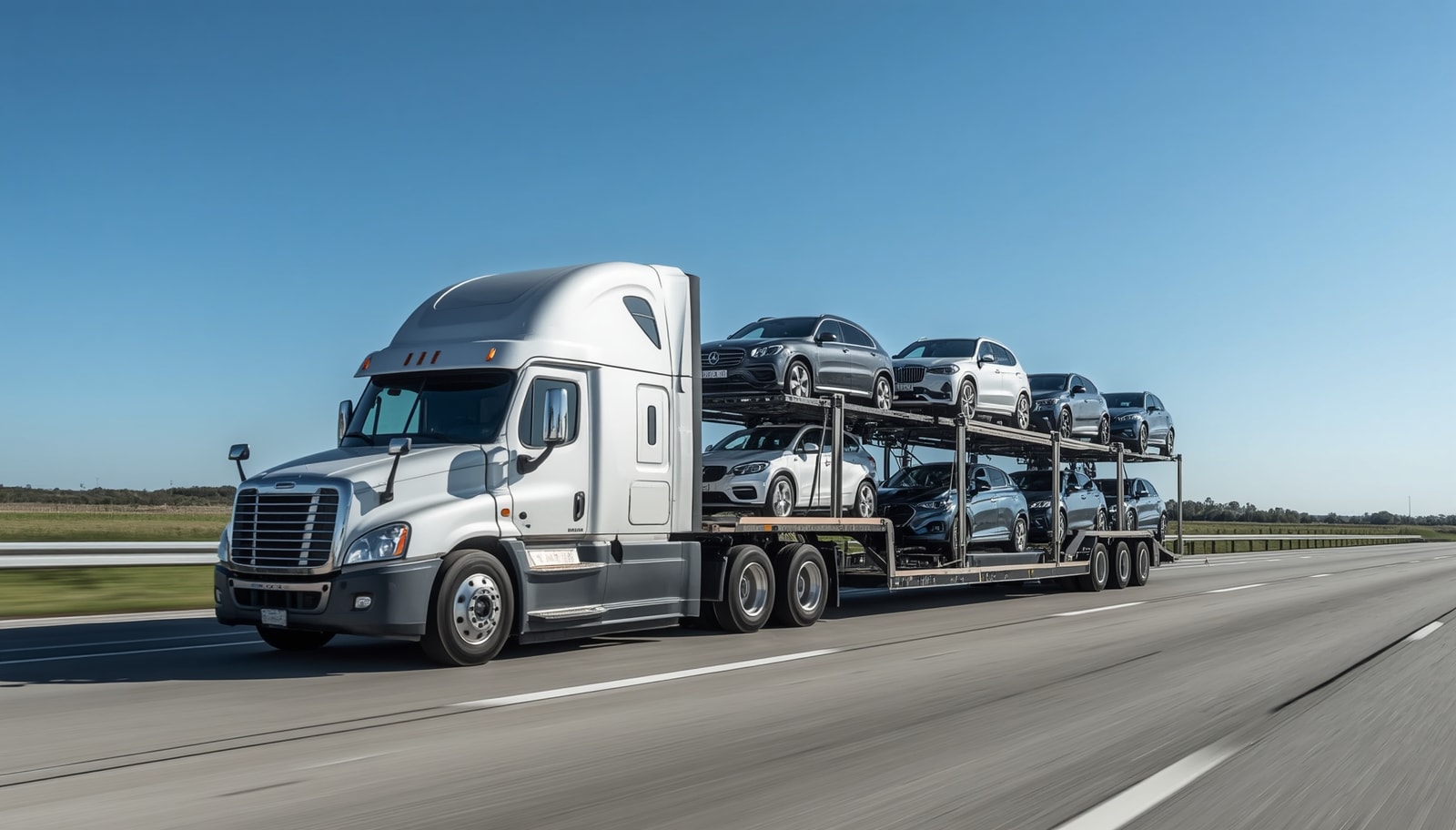
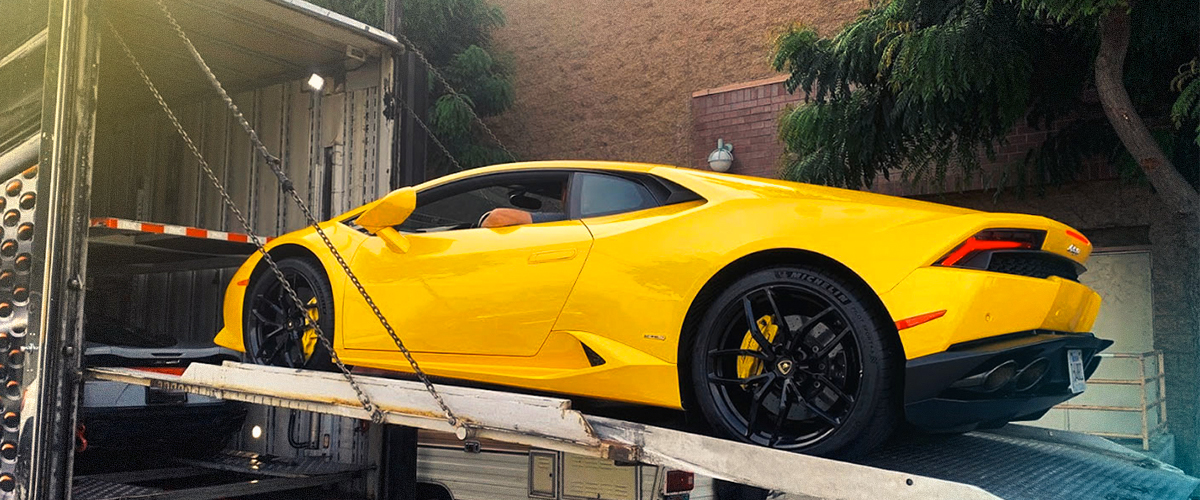
For relocations, long-distance moves, and situations where you need your car at the destination but driving 2,000 miles is impractical, expensive, or simply not something you want to spend five days doing — shipping your car and flying is a calculation worth running seriously.
Here is what the math looks like for a solo mover relocating from New York to Los Angeles:
Driving the full route: Five days of driving at roughly $150 per night in hotels ($600), $50 per day in meals ($250), and vehicle operating costs at $0.67 per mile for 2,800 miles ($1,876). Total: approximately $2,726 in real costs, plus five days of your life spent in the car arriving exhausted at a new home.
Flying and shipping the car: An economy flight from JFK to LAX costs $180–$350 booked 2–3 weeks out. Open auto transport from New York to Los Angeles runs $1,100–$1,500 depending on season and timing. Total: approximately $1,280–$1,850. You arrive rested in under six hours. Your car arrives in 7–10 days — during which rideshares cover local transportation until delivery.
The ship-and-fly option saves $900–$1,400 compared to driving on this route when vehicle depreciation is properly included, and recovers five days of your time. The savings increase with the value of the vehicle being transported — higher-value vehicles accumulate more depreciation per mile, making shipping more financially rational the more your car is worth.
Shipping is also the practical answer when driving is genuinely not feasible: winter mountain pass crossings, medical situations that make a multi-day drive inadvisable, a work timeline that cannot absorb five transit days, or a move where two people are separating and only one can drive the car while the other flies with children.
How to Make the Right Call for Your Specific Situation
The fly-vs-drive question does not have a universal answer — but it does have a framework that produces the right answer when applied honestly:
For trips **under 400 miles with two or more passengers**: drive. The per-person economics almost always favor it, and the time difference versus flying is minimal once airport processing is included.
For trips **over 1,200 miles as a solo traveler**: fly. Vehicle operating costs plus your time cost exceed domestic airfare on virtually every route at this distance.
For trips **between 400 and 1,200 miles**: run the actual numbers. Use the IRS rate of $0.67 per mile as your driving cost baseline — not just fuel. Add hotels and meals. Then build the full flight cost including bags, airport transport, and any rental car needed at the destination. Compare the totals, not the ticket price versus the fuel receipt.
For **relocations where you need your car**: calculate shipping your car and flying as a third option before defaulting to the drive. For most cross-country moves, when true vehicle costs are included, the ship-and-fly combination is competitive with or cheaper than driving — and saves you five days in the process. Get a free auto transport quote and run it against your full driving cost estimate before you commit to 2,800 miles behind the wheel.
Source: every broker and carrier's operating authority, safety rating, and insurance status is public record — verify any company for free at the FMCSA SAFER System.