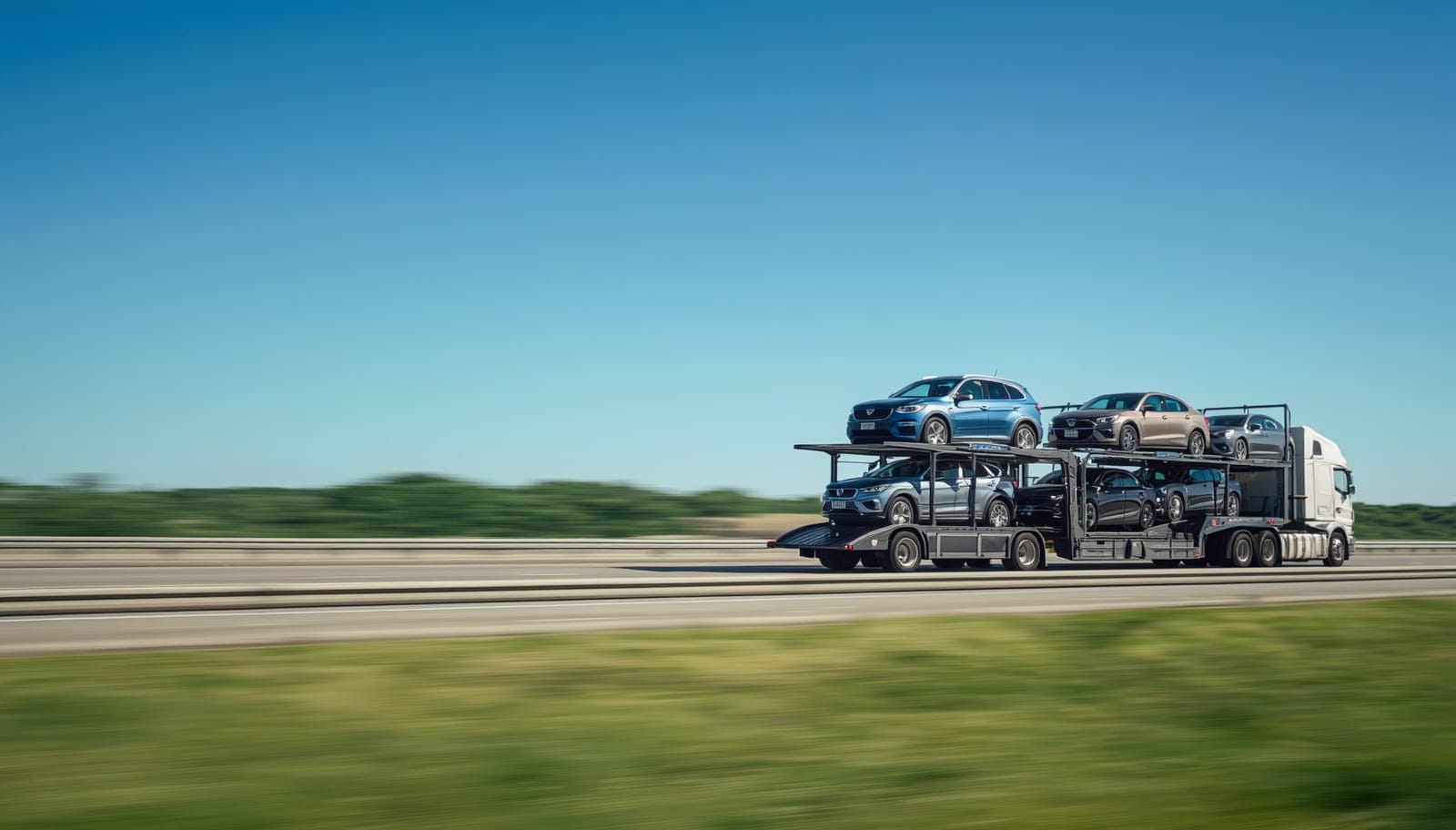
Serious damage during auto transport is rare. Most shipments arrive exactly as they left. But when something does happen — a new scratch, a cracked mirror, a dent from road debris — what you do in the first hour at delivery decides how easy the claim will be.
This guide walks you through the six steps to take, what a typical claims timeline looks like, the photos you need, and the federal law that protects you.
Free car shipping quote
What will it cost to ship your car?
Get Your Free Quote
Free quote in 60 seconds · We never sell your info
Why the First Hour Decides Your Claim
The single most important moment is the delivery inspection, before you sign the Bill of Lading (BOL). The BOL is the condition report that the driver and you both sign at pickup and at delivery. If new damage is written on it, the carrier has acknowledged it. If you sign a clean BOL, you've signed a document saying the car arrived in the same condition.
You can still pursue a claim after signing clean, but it becomes much harder. So take your time, inspect in good light, and don't let a rushed driver hurry you.
The 6-Step Damage Response
1. Inspect before you sign: Walk around the whole car, including the roof, bumpers, wheels and undercarriage edges. Use a flashlight if it's dark.
2. Write every new issue on the BOL: Be specific — "new 3-inch scratch on rear passenger door, not present at pickup." Then sign.
3. Photograph and video it immediately: Wide shots and close-ups, with the driver and truck in frame if possible.
4. Notify the carrier and your broker in writing: Email both the same day, attaching photos and the signed BOL.
5. Get a repair estimate: From a licensed body shop, in writing.
6. File the formal claim: With the carrier's insurer, including the BOL, before-and-after photos, the estimate and your written notice.
What a Typical Claim Timeline Looks Like
- Day 0 (delivery): Inspect, note damage on the BOL, photograph.
- Days 1–3: Written notice to the carrier and broker.
- Days 3–10: Carrier acknowledges and an adjuster is assigned.
- Days 7–14: Submit your repair estimate.
- Weeks 2–6: Insurer investigates and responds.
- Settlement: Payment, a settlement offer, or a denial you can dispute.
Minor cosmetic claims with clean documentation often settle in two to three weeks. Larger claims take longer.
Want your actual price? Request a free quote in 60 seconds — no payment, no spam.
Get My Free Quote →The Photo Checklist That Makes Claims Easy
Take the same set of photos at pickup and at delivery so you can compare them side by side:
- Front, rear, driver side and passenger side, straight on
- All four corners at a 45-degree angle
- Roof, hood and trunk lid
- All four wheels
- Dashboard showing mileage and warning lights
For a complete method, read our vehicle inspection photos guide.
The Carmack Amendment: Your Legal Window
The Carmack Amendment (49 U.S.C. § 14706) is the federal law that governs carrier liability for interstate cargo, including cars. In plain terms, the carrier is responsible for damage that happens while your vehicle is in its care, unless it can show a specific exception applies.
Under federal rules, carriers cannot set a claim-filing deadline shorter than nine months from delivery, and you have at least two years from a written denial to file a lawsuit. Your carrier contract may set its own notice requirements within those limits — read it before pickup.
This is general information, not legal advice. For a large claim, talk to an attorney.
How ShipMyCar US Helps If Something Goes Wrong
As a broker, ShipMyCar US arranges your shipment with licensed, insured carriers. If damage happens, we act as your point of contact: we help you notify the carrier, collect the right documentation and keep the claim moving. Before your car is picked up, we can share the assigned carrier's details so you know whose insurance covers your vehicle.
Learn more in auto transport insurance: what is actually covered.
Common Types of Transport Damage
- Road debris chips: Small chips from stones, more common on open trailers.
- Strap or tie-down marks: Usually on wheels or tires.
- Scuffs from loading: On low front lips or bumpers.
- Fluid drips: From a vehicle on an upper deck onto one below.
- Glass damage: Chips or cracks in the windshield.
Most are minor and repairable. Note each one on the Bill of Lading.
Want your actual price? Request a free quote in 60 seconds — no payment, no spam.
Get My Free Quote →How to Lower the Risk of Damage
- Choose enclosed transport for high-value cars.
- Tell us about low ground clearance so the carrier uses a lift gate.
- Remove or secure loose exterior parts.
- Fold mirrors and retract antennas.
- Make sure there are no fluid leaks.
What About Mechanical Problems?
Mechanical issues are harder to link to transport, because a car barely moves under its own power during shipping. If the car won't start at delivery, check the battery first — it may have drained from an alarm or accessory. Note any problems on the Bill of Lading and contact us right away.
Federal Claim Deadlines, Explained
Under the federal rules that apply to interstate carriers, a carrier can't require you to file a written claim in less than nine months after delivery, and it can't give you less than two years to file a lawsuit after it denies a claim in writing. Your carrier's contract may set notice requirements within those limits, so read it. In practice, the sooner you report damage, the easier the claim — memories are fresh, photos are clear and the driver is still on the route.
What Carrier Insurance Covers — and Doesn't
Usually covered: Damage caused while the vehicle is in the carrier's care — loading damage, debris damage noted at delivery, accident damage during transport.
Usually not covered: Pre-existing damage, personal belongings inside the car, mechanical problems not caused by transport, damage that isn't documented at delivery, and damage below the policy's deductible (depending on how the carrier handles it).
Ask for the carrier's insurance certificate before pickup so you know the limits and deductible. See auto transport insurance: what is actually covered.
Getting a Repair Estimate
Get a written estimate from a licensed body shop that lists parts, labor and paint. For larger damage, a second estimate can help. Include photos of the damage and the shop's contact information. The carrier or its insurer may want to inspect the car or send an adjuster before approving repairs, so ask before starting work.
If the Settlement Offer Is Too Low
- Compare the offer with your written estimates.
- Ask how the offer was calculated.
- Send any additional evidence, such as more photos or a second estimate.
- Ask your broker to help escalate.
- If the claim is denied or stalled, consider small claims court or legal advice for larger amounts.
If You Signed a Clean Bill of Lading
It's harder, but not hopeless. Notify the carrier and broker in writing immediately. Gather your pickup photos showing the area undamaged, and delivery or same-day photos showing the damage. Explain why the damage wasn't noted — for example, it was dark or the driver rushed you. The stronger your timeline and photos, the better your chances.
Preventing Damage in the First Place
- Choose enclosed transport for high-value cars.
- Share ground clearance and modification details so the right trailer and loading method are used.
- Remove loose exterior items and fold mirrors.
- Fix leaks so fluids don't drip onto other cars.
- Ask for delivery in daylight when you can.
The Short Version
Inspect before signing, write every new issue on the Bill of Lading, photograph it, notify the carrier and broker in writing the same day, get a repair estimate and file the claim. Federal rules give you at least nine months to file. The faster and better documented your claim, the faster it's resolved.
How Your Broker Can Help
A good broker gives you the carrier's insurance details, helps you assemble photos and estimates, follows up with the carrier on your behalf, and keeps the claim moving. If a carrier stops responding, the broker can escalate. Keep your broker copied on every message.
Frequently Asked Questions
What if I already signed the Bill of Lading without noting damage?: You can still file a claim, but it's harder. Gather your pickup and delivery photos, notify the carrier and broker in writing right away, and explain why the damage wasn't noted at delivery.
How long does an auto transport damage claim take?: Most claims settle within two to six weeks. Small cosmetic claims with good photos are often faster.
Will my personal auto insurance cover damage during transport?: Usually not as primary coverage. The carrier's insurance is primary while your car is in its care, but check your own policy since some cover certain events.
Who is responsible for damage — the broker or the carrier?: The carrier that physically moved the car is responsible. The broker helps you coordinate the claim.
Should I let the carrier fix the damage?: Some carriers offer to pay for repairs directly. Make sure you agree on the shop and the scope of work in writing.
Does a damage claim affect my car insurance?: If the carrier's insurance pays, it usually doesn't involve your own policy.
Can the broker refuse to help with a claim?: A reputable broker will help coordinate. If not, contact the carrier directly using the information on the Bill of Lading.
How do I find the carrier's insurance information?: Ask your broker before pickup, or check the carrier's insurance filing on FMCSA SAFER using the USDOT number on the Bill of Lading.
What if the damage is very minor?: Note it anyway. Small issues are easier to resolve when documented at delivery, and some carriers settle minor damage quickly.
How long does the carrier have to respond to a claim?: Federal rules require carriers to acknowledge a claim within 30 days and to pay, decline or make an offer within 120 days, with written updates if it takes longer.
Source: every broker and carrier's operating authority, safety rating, and insurance status is public record — verify any company for free at the FMCSA SAFER System.
Related Articles
Bill of Lading in Car Shipping: What It Is and How to Fill It Out
Vehicle Inspection Photos for Car Shipping: The 16-Shot Checklist