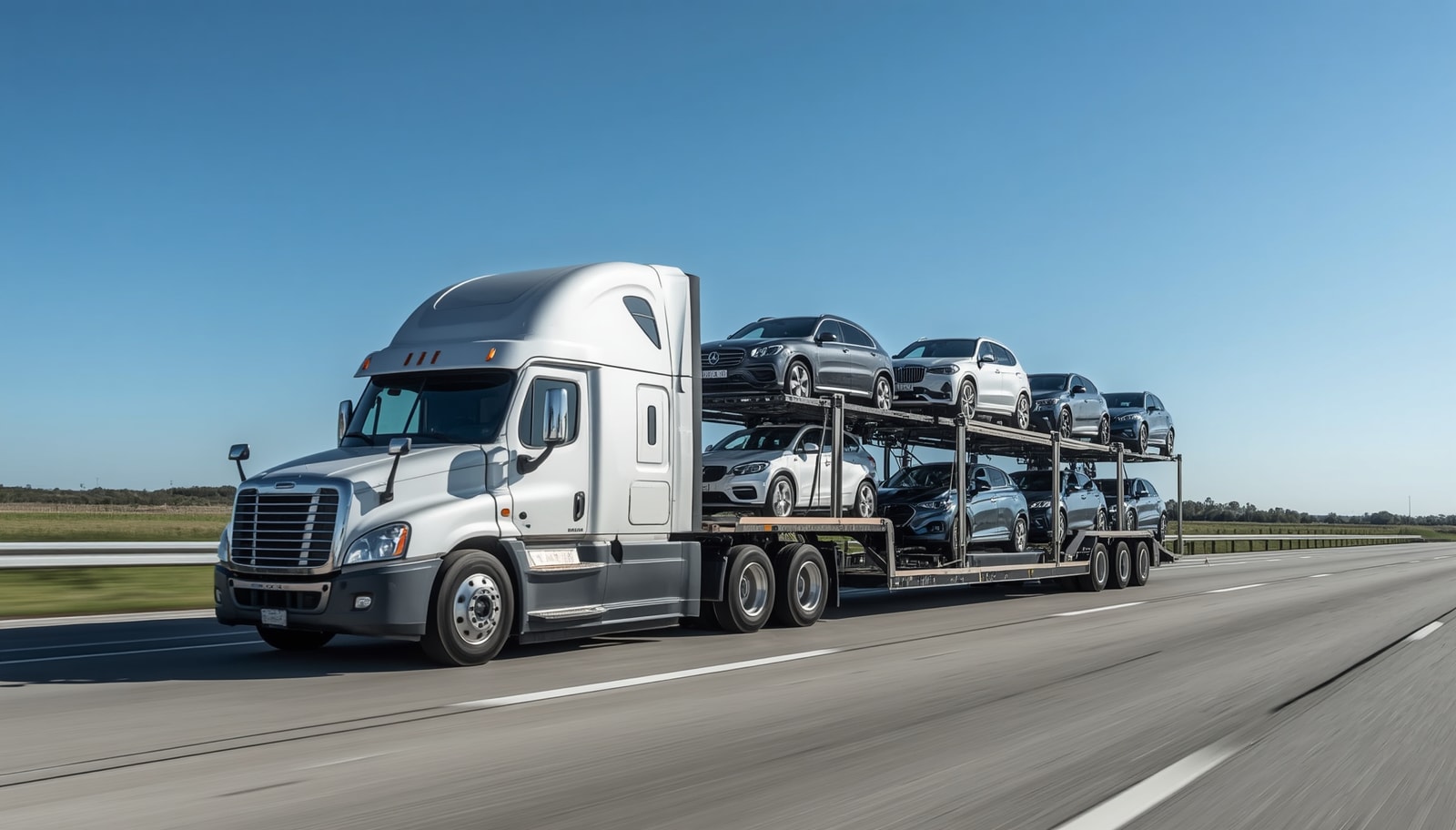
For some students, a car at college is a lifeline — for jobs, internships, groceries and getting home. For others, it's an expensive object that sits in a parking lot for months. The right answer depends on the school, the location and how often the car would actually be used.
This guide helps you decide, shows what a car really costs at school, and explains how to ship it if you're too far to drive.
Free car shipping quote
What will it cost to ship your car?
Get Your Free Quote
Free quote in 60 seconds · We never sell your info
A Simple Yes/No Decision Guide
A car probably makes sense if:
- The campus is rural or suburban with limited transit
- You have an off-campus job or internship
- You live off campus
- You're an upperclassman with parking access
A car probably doesn't make sense if:
- The school is in a dense city with good transit
- You're a freshman at a school that restricts first-year cars (many do)
- Campus parking is scarce or expensive
- You'd mostly drive it home a few times a year
Should Freshmen Bring a Car?
For most freshmen, the honest answer is no. Many universities restrict or prohibit first-year cars, and those that allow them often put freshman parking far from the dorms. Check your school's parking office before making plans — and before you ship anything.
What a Car at College Really Costs
Beyond the car itself, the yearly cost often adds up to a few thousand dollars:
- Parking permit: From under $100 at small schools to well over $1,000 at large urban campuses
- Insurance: Adding a young driver, or registering the car at a school address, can raise premiums
- Gas, maintenance and registration
- Getting it there and back: Driving or shipping at the start and end of the year
Ask your insurer whether a student-away-at-school discount applies if the car stays home.
Want your actual price? Request a free quote in 60 seconds — no payment, no spam.
Get My Free Quote →How Much It Costs to Ship a Car to College
ShipMyCar US pricing for an open-carrier sedan typically runs:
- Under 500 miles: $400–$750
- 500–1,000 miles: $700–$1,050
- 1,000–1,500 miles: $950–$1,300
- 1,500–2,000 miles: $1,100–$1,500
- Cross country: about $1,300–$1,800
Students qualify for a student discount. See our college student car shipping service.
When Shipping Beats Driving
Shipping usually makes more sense when:
- The school is more than about 1,000 miles away
- The student would be driving alone on a long trip
- A parent would otherwise drive it there and fly back
- Move-in timing means the student has to fly
For shorter trips, driving is usually cheaper. See is it cheaper to fly or drive.
How Shipping a Car to Campus Works
- Book two to three weeks ahead, more for August move-in when demand is high.
- Pick a delivery spot a large truck can reach — many campuses don't allow car carriers on campus roads.
- Have someone available to sign at pickup and delivery. Parents can release the car at home, and the student can receive it at school.
- Inspect it at delivery before signing the Bill of Lading.
Where to keep the car while away at school, or over summer, depends on campus storage options and your insurance — plan that before booking a one-way trip.
Insurance and Registration at School
- Insurance: Tell your insurer where the car will be kept. Garaging address affects premiums, and some insurers require it. If the car stays home, ask about a student-away-at-school discount.
- Registration: Many students keep the car registered in their home state while in school. Rules vary, especially if you become a resident or get a job in the school's state. Check the state's motor vehicle agency.
- Parking permits: Buy early — popular lots sell out, and some schools hold a lottery.
Want your actual price? Request a free quote in 60 seconds — no payment, no spam.
Get My Free Quote →Winter, Breaks and Summer Storage
If the school is in a snowy state, you'll need winter tires or at least good all-seasons, an ice scraper and a plan for snow-emergency parking rules. Over winter and summer breaks, decide whether to leave the car on campus, store it nearby or ship it home. Many families ship the car to school in August and back home in May, booking both trips early because those weeks are busy.
Safety Tips for Student Drivers
- Keep an emergency kit in the trunk.
- Know where the nearest trusted mechanic is.
- Set up roadside assistance.
- Lock the car and keep valuables out of sight in campus lots.
Students can use the ShipMyCar US student discount on college student car shipping.
What Parking Permits Can Cost
Campus parking prices vary enormously:
- Small and rural colleges: Sometimes under $100 a year, occasionally free.
- Mid-size state universities: Often a few hundred dollars a year for student lots.
- Large urban universities: Can exceed $1,000 a year, and garage permits cost more.
- Freshman restrictions: Many large universities limit or ban first-year student cars, or only allow them in remote lots.
Check your school's parking office for current prices, waitlists and rules before deciding.
The Total Cost of a Car at College, Added Up
A rough annual budget for keeping a car at school, not counting the car payment:
- Parking permit: $100–$1,500
- Insurance changes: Varies; garaging a car in a new city can raise or lower the premium
- Fuel: Depends on how much you drive — often a few hundred dollars a semester for light use
- Maintenance and registration: Oil changes, tires, inspections and fees
- Transport: Shipping or driving the car to school and back home
For many students, the total ends up in the low thousands per year. Compare that with campus transit, rideshare and occasional rentals.
A Quick Decision Matrix
Bring the car if you'll use it at least a few times a week for work, internships or off-campus housing, and parking is reasonably priced.
Leave it home if you'll mostly walk, bike or use transit, parking is expensive or restricted, or you're a freshman.
Consider shipping it partway through if you start without a car and find you need one by second semester.
How Shipping a Car to College Works, Step by Step
1. Get a quote with your home ZIP, the campus area ZIP and your first available date.
2. Book two to three weeks ahead, or three to four for August.
3. Choose a delivery spot — usually a nearby parking lot or off-campus apartment.
4. Prepare the car: About a quarter tank, personal items removed, toll tags off, photos taken.
5. Pickup: A parent or the student inspects the car with the driver and signs the Bill of Lading.
6. Delivery: The student inspects the car near campus and signs. Then register, insure and park it according to school and state rules.
Cars at Northern Campuses in Winter
Students heading to schools in snowy states should plan for winter: snow tires or good all-seasons, an ice scraper, emergency kit, and knowledge of snow-emergency parking rules. Cars that sit for weeks in the cold also need a healthy battery. Some students store their car off campus or ship it home over winter break.
College Car Shipping Costs
ShipMyCar US pricing for an open-carrier sedan typically runs $400–$750 under 500 miles, $700–$1,050 for 500–1,000 miles and about $1,300–$1,800 coast to coast. Students get a discount. See college student car shipping.
The Short Version
Before you ship a car to college, check the school's parking rules and prices, decide whether you'll actually use it, and add up the yearly cost. If the car makes sense and the school is far away, shipping saves a long drive and a flight home. Book early for move-in season and pick a delivery spot a truck can reach.
Alternatives to Bringing a Car
- Campus transit and shuttles: Often free for students.
- Car-sharing services: Many campuses have hourly car-share vehicles.
- Bikes and e-scooters: Popular on large, flat campuses.
- Rideshare: Useful for occasional trips to the airport or off-campus errands.
- Renting for breaks: A rental can be cheaper than keeping a car all year.
Frequently Asked Questions
Should freshmen bring a car to college?: Usually not. Many schools restrict first-year cars, and those that allow them often have limited, distant parking.
How much does a college parking permit cost?: It varies widely — from under $100 a year at some small schools to more than $1,000 at large urban universities.
How much does it cost to ship a car to college?: Typically $400–$750 for under 500 miles and up to about $1,300–$1,800 for cross-country trips on an open carrier.
Can the car be delivered on campus?: Often not directly, because large trucks are restricted. A nearby parking lot is the usual meeting point.
Can my parents ship the car while I'm at school?: Yes. A parent can release the car at home, and the student can receive it near campus.
Do I need to change my car's registration to my school's state?: Not always. Many students keep home-state registration, but rules vary — check with the school's state.
Is it cheaper to rent a car at college when I need one?: For occasional use, renting or car-sharing is often cheaper than keeping a car on campus.
What's the best time to ship a car to college?: Ship a week or two before move-in so the car is waiting when you arrive, and book three to four weeks ahead for late August.
Can I ship my car to college and back home every year?: Yes. Many students do it twice a year. Booking both trips early helps you get your dates.
What if my school doesn't allow freshman cars?: Leave the car home for the first year, or ship it later once you're eligible for a permit.
Source: every broker and carrier's operating authority, safety rating, and insurance status is public record — verify any company for free at the FMCSA SAFER System.
Related Articles
Vehicle Relocation Guide: How to Ship Your Car When You Move
Is It Cheaper to Fly or Drive? The Real Cost Comparison (2026)