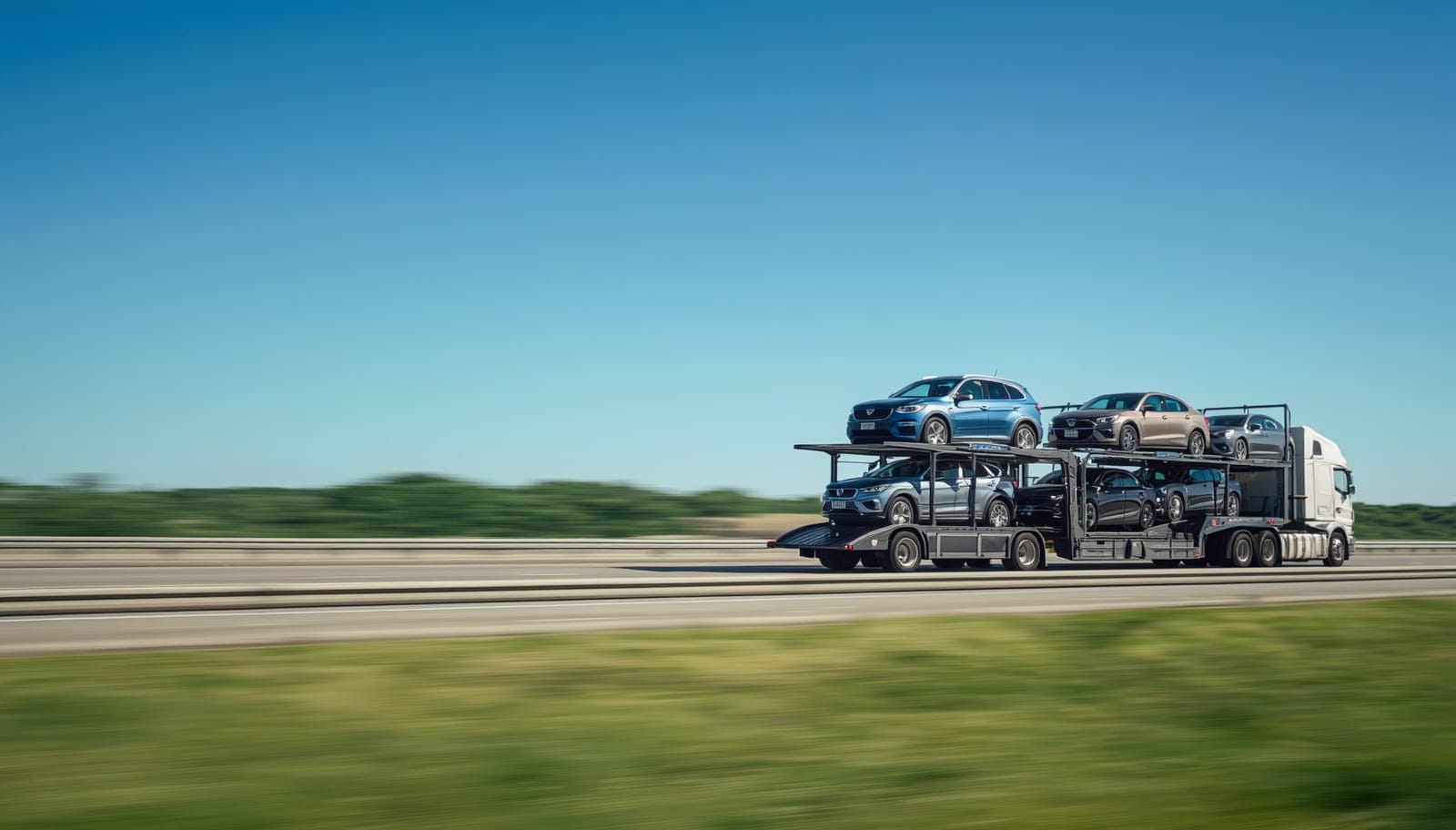
Yes — when you book through a licensed broker and an insured carrier, shipping a car is generally very safe. Hundreds of thousands of vehicles move on car carriers every week, and the large majority arrive exactly as they left.
But "safe" means more than "the car doesn't crash." It also means your car arrives on time, in the same condition, at the price you agreed to, and you don't lose money to a scam. This guide looks at all of those risks honestly.
Free car shipping quote
What will it cost to ship your car?
Get Your Free Quote
Free quote in 60 seconds · We never sell your info
What "Safe" Actually Means
A safe shipment checks four boxes:
- Your car arrives at the destination.
- It arrives in the same condition it left.
- You pay the price you were quoted.
- You don't lose money to a fraudulent company.
The truck and driver matter, but in practice the company you book with matters most, because it chooses the carrier and sets the price.
The 5 Real Risks, Ranked by How Often They Happen
1. Delays: The most common issue. Weather, traffic and other pickups on the route can push timing by a day or two.
2. Price changes: Usually caused by low quotes that don't hold. See why car shipping prices change.
3. Minor cosmetic damage: Small chips or scuffs, more common on open trailers. This is why the Bill of Lading and insurance exist.
4. Scams: Uncommon, but costly. Avoidable with a five-minute license check.
5. Major damage or accidents: Rare. Covered by the carrier's insurance.
What Federal Regulation Requires
- Interstate brokers and carriers must register with the FMCSA and hold operating authority.
- Brokers must maintain $75,000 in financial security (a BMC-84 bond or BMC-85 trust).
- Carriers must keep liability insurance on file, and reputable auto carriers also carry cargo insurance for the vehicles they haul.
- Drivers must hold a commercial driver's license and follow hours-of-service rules.
You can check any company's status in minutes. See how to verify FMCSA and USDOT numbers.
Want your actual price? Request a free quote in 60 seconds — no payment, no spam.
Get My Free Quote →Shipping vs. Driving It Yourself
Driving cross-country adds 2,500–3,000 miles of wear, several days on the road and the risk of breakdowns or accidents along the way. A professional carrier puts zero miles on your car's odometer, and the car rides secured on a trailer driven by a full-time professional.
For a cost comparison, see is it cheaper to fly or drive.
Open vs. Enclosed: Which Is Safer?
Both are safe. Open car transport exposes your car to weather and road dust, the same as driving it — and it's how most new cars reach dealerships. Enclosed car transport fully protects the car from the elements and debris, which is why owners of classic, luxury and exotic cars choose it.
Read the full comparison in open vs. enclosed car transport.
7 Steps to Make Your Shipment Safe
- Verify the company's USDOT or MC number on FMCSA SAFER.
- Get the price and payment terms in writing.
- Don't pay the full amount before a carrier is assigned.
- Wash the car and photograph it before pickup.
- Read the pickup Bill of Lading carefully before you sign.
- Remove valuables and toll tags.
- Inspect in good light at delivery before signing.
Our prep guide covers the rest.
How Weather Affects Safety
Drivers don't push through dangerous conditions. In snow, ice, high winds or hurricanes, they slow down or stop — which can cause delays but keeps your car safe. Open carriers expose cars to rain and dust, which doesn't harm a car in normal condition. If you're shipping a high-value car through winter weather, enclosed transport adds protection.
Want your actual price? Request a free quote in 60 seconds — no payment, no spam.
Get My Free Quote →Insurance Basics
- The carrier's insurance covers damage it causes while your car is in its care.
- Personal belongings left in the car aren't covered.
- Pre-existing damage isn't covered, which is why the pickup inspection matters.
- Your own auto policy may offer extra coverage — ask your agent.
What to Do If Something Goes Wrong
Note any damage on the Bill of Lading before signing, take photos, and notify the carrier and broker in writing the same day. Most claims settle within a few weeks with good documentation. See car damaged during shipping.
Why the Broker Matters More Than the Truck
Most of what makes a shipment go well happens before the truck shows up: an honest price that a carrier will actually accept, a carrier with active authority and insurance, a realistic pickup window and clear communication. Those are decisions the broker makes. A licensed, transparent broker steers you away from the biggest risks — price surprises, unvetted carriers and scams — before your car ever leaves your driveway.
The Five Risks, in More Detail
Delays: Weather, traffic, other stops on the route and driver hours. Most delays are a day or two. Staying flexible and reachable keeps them small.
Price changes: Usually caused by quotes that were too low to begin with. Choose a price that's in line with other quotes and get it in writing.
Minor cosmetic damage: Small chips or scuffs, mostly on open trailers. Documented damage is covered by the carrier's insurance.
Scams: Fake companies that take deposits and disappear. A five-minute license check prevents almost all of them.
Major damage: Rare. Professional drivers have strong safety records, and insurance covers serious incidents.
What FMCSA Rules Actually Require
- Operating authority: Interstate brokers and carriers must register with the FMCSA and keep their authority active.
- Broker financial security: Brokers must maintain $75,000 in financial security, filed as a BMC-84 bond or BMC-85 trust.
- Carrier insurance: Carriers must keep liability insurance on file; auto carriers also carry cargo insurance for the vehicles they haul.
- Driver rules: Commercial drivers need a CDL, medical certification and compliance with hours-of-service limits.
- Safety oversight: Carriers are subject to inspections and safety ratings, which are public on SAFER.
You can check any company's status at safer.fmcsa.dot.gov. See how to verify FMCSA and USDOT numbers.
How to Spot a Broker Scam
- Pretending to be a carrier: Some brokers claim to own trucks they don't. Check the entity type on SAFER.
- Pressure to book now: "This price expires in an hour" is a sales tactic.
- Refusing to share carrier details: A legitimate broker tells you who's hauling your car before pickup.
- Unusual payment methods: Wire transfers, Zelle, gift cards or crypto to an unverified company.
- Quotes far below the market: The setup for a price increase or a disappearing deposit.
Shipping vs. Driving: The Safety Comparison
Driving a car across the country means several long days behind the wheel, often in unfamiliar areas, weather and traffic. Fatigue is a real risk. It also puts thousands of miles on the car, with the chance of a breakdown far from home. Professional car carriers are driven by full-time drivers who follow federal rest rules, and your car rides secured on the trailer. For long moves, shipping is often the safer choice for both you and the car.
Safety Checklist, Expanded
- Before booking: Verify the company, compare two or three quotes, get terms in writing.
- Before pickup: Wash the car, take photos, remove valuables and toll tags, note existing damage.
- At pickup: Inspect with the driver, sign only an accurate Bill of Lading, keep a copy.
- During transit: Keep your phone on; ask for updates if timing changes.
- At delivery: Inspect in good light, note new damage before signing, pay as agreed.
The Short Answer, Revisited
Shipping a car is safe when three things are true: the company is licensed and transparent, the price is realistic, and you document the car's condition at both ends. Those three habits cover almost every risk in this guide.
Open vs. Enclosed: Choosing for Safety
If your main worry is weather, road debris or onlookers, enclosed transport removes them. If your car is a daily driver, open transport is safe and much cheaper — it's how dealerships receive new cars every day. A useful rule of thumb: if a small stone chip would meaningfully hurt the car's value, ship enclosed. Otherwise, open is the practical choice. See enclosed car transport and open car transport.
Frequently Asked Questions
Is it safe to ship a car across the country?: Yes, when you use a licensed broker and an insured carrier. Minor cosmetic issues are the most common problem, and serious damage is rare.
What are the biggest risks of shipping a car?: In order of frequency: delays, price changes from low quotes, minor cosmetic damage, scams, and rarely, major damage.
Does car shipping insurance cover damage?: The carrier's insurance covers damage it causes during transport, as long as the damage is documented. Always note damage on the Bill of Lading.
Is enclosed transport safer than open?: Both are safe. Enclosed transport adds protection from weather and debris, which matters most for high-value or classic vehicles.
Has car shipping gotten safer?: Better tools for verifying companies, electronic Bills of Lading and GPS tracking have made it easier to choose reliable carriers and document condition.
Is it safe to ship a car with a full tank?: A quarter tank is recommended. A full tank adds weight and isn't needed.
Is my car safe at truck stops overnight?: Car carriers park at truck stops and secure lots routinely. Removing valuables and toll tags reduces any risk.
Is shipping a classic car safe?: Yes, especially with enclosed transport and a carrier whose cargo insurance fits the car's value. See classic car shipping.
Do car carriers drive at night?: Many do, within federal hours-of-service limits. Professional drivers plan rest stops to stay alert.
Source: every broker and carrier's operating authority, safety rating, and insurance status is public record — verify any company for free at the FMCSA SAFER System.
Related Articles
10 Car Shipping Myths, Ranked by How Much They Can Cost You
How to Tell If a Car Shipping Company Is a Scam: 10 Warning Signs