Insurance is one of the most misunderstood aspects of auto transport. Many customers assume their vehicle is either fully covered for anything that happens during transit, or — at the opposite extreme — that they are shipping at their own risk with no recourse if something goes wrong. Neither is accurate.
The reality is more specific: the carrier's cargo insurance is what protects your car. It covers direct physical damage caused by the carrier during transport, and there are clearly defined exclusions. Understanding this distinction before you ship — and knowing what documentation protects your claim rights — puts you in a much stronger position.
What Carrier Cargo Insurance Covers
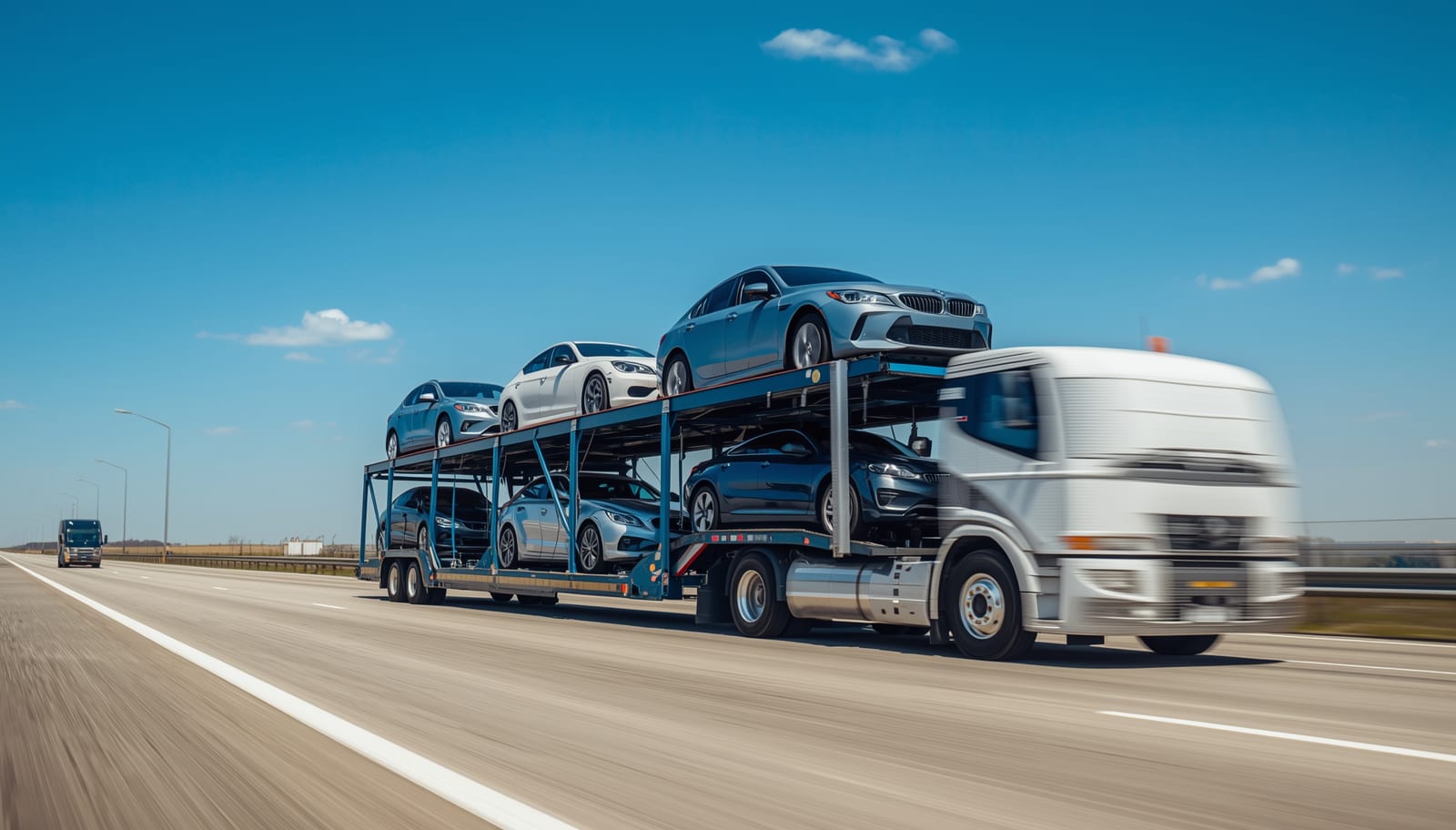
Every carrier ShipMyCar US dispatches must maintain active cargo insurance coverage. The federal minimum for household goods carriers is $5,000 per vehicle, but the auto transport industry standard in practice is dramatically higher — most reputable carriers carry $100,000 to $500,000 per load in cargo coverage.
Cargo insurance covers direct physical damage to your vehicle caused by the carrier during the transport process. This includes:
Loading and unloading accidents: If your vehicle is damaged while being driven onto or off the trailer — a ramp mishap, a door contact with the trailer structure, a strapping error that causes paint damage — this falls within cargo insurance coverage.
In-transit accidents: If the carrier is involved in a collision, rollover, or other road incident that damages vehicles on the load, cargo insurance covers the resulting vehicle damage.
Cargo shifts and securing failures: If a vehicle on the trailer shifts during transit due to inadequate securing and makes contact with your vehicle, the resulting damage is covered.
Fire and extreme weather events: Damage from fire aboard the carrier, or from extreme weather events that the carrier failed to avoid or mitigate appropriately, falls within cargo coverage scope.
The key phrase is 'caused by the carrier.' The insurance compensates for damage attributable to carrier negligence or carrier-involved incidents — not for pre-existing conditions, mechanical failures unrelated to transport, or events outside the carrier's control.
What Cargo Insurance Does NOT Cover
Understanding the exclusions is just as important as understanding what is covered. Cargo insurance does not cover:
Pre-existing damage: Any damage that existed before pickup is explicitly excluded. This is why the Bill of Lading condition inspection at pickup is so critical — it establishes the baseline condition. Pre-existing chips, scratches, dents, and mechanical issues noted on the Bill of Lading at pickup are not the carrier's responsibility.
Personal items inside the vehicle: Laptops, cameras, clothing, documents, and any other personal belongings left in the vehicle are not covered by cargo insurance. The cargo insurance policy covers the vehicle — not its contents. This is why every legitimate carrier and broker instructs you to remove personal items before pickup.
Mechanical or electrical failures: If your engine, transmission, electronics, or any mechanical component fails during transport — even if the failure occurs during a period when your vehicle is on the carrier — cargo insurance does not cover it. Mechanical failures are considered separate from transport-caused damage.
Weather damage to open-carrier vehicles: Rain, dust, bird droppings, and minor road spray on vehicles transported on open carriers are generally not covered by cargo insurance. These are considered inherent characteristics of open transport service, not carrier negligence. If weather exposure is a concern, enclosed transport eliminates this issue.
Act of God events: Flooding, tornado, earthquake, and similar natural disasters that damage vehicles in transit are excluded under standard cargo policies as force majeure events.
The Bill of Lading: Your Most Important Document
The Bill of Lading (BOL) is the legal document that records your vehicle's condition at both pickup and delivery. It is the foundation of every damage claim in the auto transport industry. Understanding how to use it correctly is essential.
At pickup: The carrier driver inspects your vehicle and notes its condition on the Bill of Lading — existing scratches, dents, chips, and mechanical conditions are all recorded. You review this document and sign it. Your signature confirms that the documented condition is accurate. If the driver misses a pre-existing imperfection, point it out before signing and ask for it to be added.
At delivery: The driver presents the delivery Bill of Lading, which should reference the condition noted at pickup. You inspect the vehicle and note any new damage that occurred during transit — then sign. A clean signature on the delivery BOL constitutes acceptance of the vehicle in the condition noted.
Signing under protest: If damage is present at delivery but the driver is pressing you to sign, you can sign the document but add a written notation — 'Signed under protest — damage to [describe location]' — before signing. This preserves your claim rights while completing the delivery.
Never sign a clean delivery BOL if damage is present: Once you sign a clean delivery Bill of Lading, filing a successful damage claim is significantly harder. The signed document is evidence that you accepted the vehicle without damage.
Does Your Personal Auto Insurance Cover Transport?
Many vehicle owners assume their personal auto insurance policy extends coverage during transport. In most cases, it does not — or if it does, the coverage is limited.
Most personal auto insurance policies cover vehicles when they are being driven or are parked. During auto transport, your vehicle is neither being driven by you nor parked in a conventional sense — it is in the custody of a commercial carrier. Most standard personal auto policies explicitly exclude coverage for vehicles in the custody of a commercial carrier for compensation.
Some comprehensive auto insurance policies do extend coverage to in-transit situations — but you must confirm this directly with your insurance provider before shipping, not after a claim. Call your agent and ask specifically: 'Does my comprehensive coverage apply while my vehicle is being transported by a commercial auto carrier?'
If your personal policy does not cover transit, and if the carrier's cargo insurance minimum coverage seems low relative to your vehicle's value, ask your broker about supplemental coverage options before booking.
Can You Ship a Car Without Insurance?
In most cases, yes. Transporting a car without insurance on your own policy is common — a car just bought at auction, a vehicle coming out of storage, or a non-running project car. During transport your car is cargo, not a vehicle being driven on public roads, so the carrier's insurance is what responds if the carrier damages it.
Keep three things in mind:
- Without your own comprehensive coverage, you have no protection for events the carrier's policy excludes, such as pre-existing damage or mechanical failure.
- Some carriers, dealers, and auctions ask for proof of insurance or registration before accepting or releasing a vehicle, so check before you book.
- Once the car is delivered and you drive it, your state's insurance and registration rules apply again. Arrange coverage before delivery day if you plan to drive it away.
So, do you need insurance to ship a car? Not from your own policy. A licensed carrier carries its own insurance, and with ShipMyCar US that coverage is included in your quote — there is no separate insurance fee.
Auto transport insurance requirements: Before pickup, ask for the carrier's certificate of insurance and confirm its USDOT and MC numbers on the FMCSA website. If your vehicle is worth more than the carrier's coverage limit, ask about supplemental coverage before you book.
How to File a Damage Claim After Transport
If your vehicle arrives with new damage that was not present at pickup, here is how to proceed:
Document at delivery: Note all new damage on the delivery Bill of Lading before signing. Photograph every damaged area immediately with your phone — date-stamped images are important.
Notify in writing immediately: Contact the carrier and the broker in writing — email, not just a phone call — within 24 hours of delivery. Describe the damage, reference the Bill of Lading, and attach your photographs. Time-sensitivity matters: waiting days or weeks before reporting damage weakens your claim.
Get a repair estimate: Obtain a written repair estimate from a qualified body shop or detailer (for paint damage). Do not repair the damage before the claim is resolved — the carrier or their insurance company may want to inspect the damage before approving a repair.
Escalate if necessary: If the carrier is unresponsive or disputes a legitimate claim, your broker should intervene. If the broker is also unresponsive, you can file a complaint with the FMCSA and consider small claims court for damages within applicable limits.
The majority of legitimate damage claims on reputable carriers are resolved without escalation. The process works when you have proper documentation: timestamped pre-pickup photographs, an accurate Bill of Lading from pickup, photographs of damage at delivery, and a written repair estimate.
Source: every broker and carrier's operating authority, safety rating, and insurance status is public record — verify any company for free at the FMCSA SAFER System.
Related Articles
How to Choose the Best Car Shipping Company in 2026: 9 Checks Before You Book
How to Prepare Your Car for Shipping: The Complete 2026 Checklist
Open vs. Enclosed Car Transport: Which Should You Choose?