Two classic car owners pay the same premium on two identical cars. Both cars are totaled. One owner gets $90,000. The other gets $40,000. The difference isn't luck — it's the type of valuation on the policy.
If you're shipping a classic, valuation matters twice: once for your own policy, and again because your policy may not be the one that covers the car while it's on a truck. This guide explains both.
Free car shipping quote
What will it cost to ship your car?
Get Your Free Quote
Free quote in 60 seconds · We never sell your info
The Three Ways a Car Can Be Valued
Agreed value: You and your insurer agree on the car's value in advance, usually backed by an appraisal. If it's totaled, you get that amount, with no depreciation. This is the standard for serious classic car coverage.
Stated value: You state a value, but the insurer pays the lesser of that amount or the car's actual cash value at the time of loss. Sounds similar to agreed value — it isn't.
Actual cash value (ACV): The insurer pays what the market says a similar car is worth, minus depreciation. Standard auto policies work this way, and it rarely reflects what a restored classic is worth.
Why the Difference Matters
Say you insure a fully restored 1967 Mustang Fastback for $90,000 on a stated value policy. After a total loss, the adjuster checks general Mustang market data and lands on an ACV of $40,000. Because stated value pays the lesser amount, you receive $40,000.
On an agreed value policy for the same $90,000, you'd receive $90,000. If you're insuring a classic, ask your agent directly: "Is this agreed value or stated value?"
The Transport Coverage Gap
Many personal and classic car policies limit or pause physical damage coverage while a vehicle is in the care of a commercial carrier. During transport, the carrier's cargo insurance is typically primary.
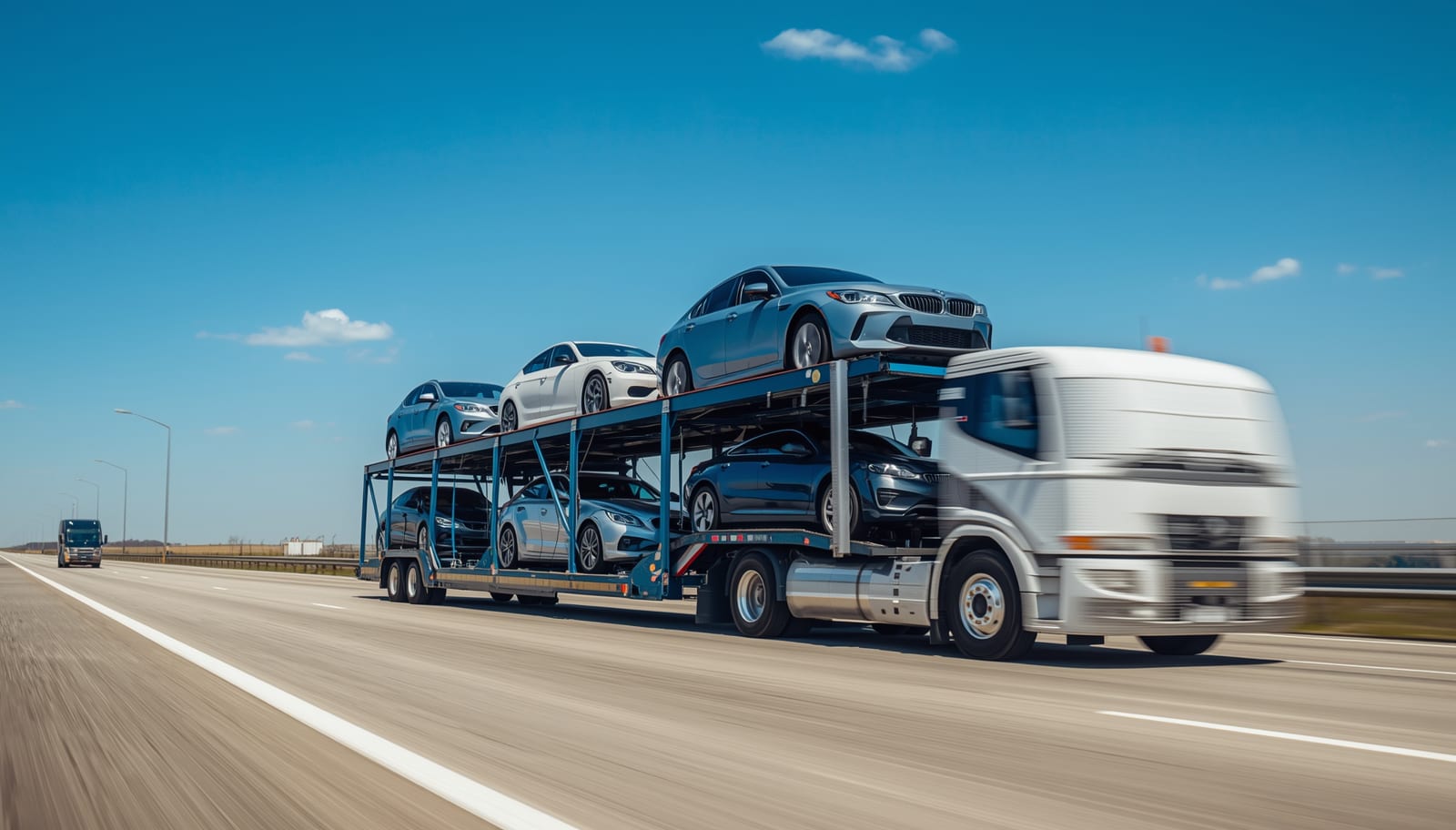
That coverage has limits, and on a loaded open trailer the policy limit may be shared across every car on the truck. For a high-value classic, that can fall well short. That's why most collectors choose enclosed car transport with carriers whose cargo coverage fits the car's value.
Before pickup:
- Call your classic car insurer and ask what's covered in transit.
- Ask for the assigned carrier's insurance certificate and check the cargo limit and deductible.
- Confirm the carrier's USDOT and MC numbers, not just the broker's.
Want your actual price? Request a free quote in 60 seconds — no payment, no spam.
Get My Free Quote →Appraisal and Documentation Checklist
- A current professional appraisal
- 360-degree exterior photos
- Interior, engine bay and undercarriage photos
- Title and VIN documentation
- Original window sticker or build sheet, if you have it
- Restoration receipts and records
- Show awards or concours records
Bring copies to pickup and photograph the car again on the day. See our vehicle inspection photos guide.
What the 2026 FMCSA Broker Rules Do and Don't Do
FMCSA's updated broker financial responsibility rules, in effect from January 2026, tightened how brokers must maintain their $75,000 financial security. That protects carriers from broker non-payment. It doesn't add insurance for your car. Coverage for a classic during transport still comes from the carrier's cargo policy and your own coverage.
Choosing a Classic Car Insurer
- Ask whether the policy is agreed value, stated value or actual cash value.
- Check mileage limits and usage rules.
- Ask whether the car is covered while in transit or at a show.
- Confirm how the value is updated as the car appreciates.
- Check whether spare parts and tools are covered.
Specialist classic car insurers often understand these questions better than standard auto insurers.
Checking a Carrier's Cargo Coverage
Ask for the carrier's certificate of insurance before pickup and look for:
- Cargo limit: How much the policy pays in total, and whether it's per vehicle or per load.
- Deductible: Who pays it if there's a claim.
- Exclusions: Such as certain vehicle types or values.
For a high-value classic, choose an enclosed carrier whose cargo limit covers the car's appraised value.
Want your actual price? Request a free quote in 60 seconds — no payment, no spam.
Get My Free Quote →Keep the Value Up to Date
Classic car values change. Update your appraisal every few years, or after major restoration work, so your agreed value matches the car's real worth. Keep receipts and photos of the work. See also collector and show car transport and classic car shipping.
Agreed, Stated and Actual Cash Value Side by Side
Agreed value - *What you're paid after a total loss*: The amount agreed when the policy started. - *Depreciation*: None. - *Best for*: Restored classics, collector cars, rare models.
Stated value - *What you're paid*: The lesser of the stated amount or the car's actual cash value. - *Depreciation*: Effectively yes, through the ACV comparison. - *Best for*: Rarely the best choice for a valuable classic.
Actual cash value - *What you're paid*: Market value at the time of loss, minus depreciation. - *Depreciation*: Yes. - *Best for*: Everyday vehicles.
Why Classic Car Insurance Often Costs Less
Agreed value classic policies are often cheaper than standard auto insurance for a car of similar value. That's because classic policies usually come with conditions: limited annual mileage, use for shows and pleasure drives rather than commuting, secure garage storage, and sometimes a requirement that you own another vehicle for daily use. Classic owners also tend to drive carefully and maintain their cars well. Lower risk means lower premiums.
The Transport Coverage Gap, in Detail
When your classic is on a carrier's truck, the carrier's cargo insurance is typically primary. Two limits matter:
- Per-vehicle limit: The most the policy will pay for any one car.
- Per-load limit: The most it will pay for all cars on the truck combined.
On an open carrier with eight or nine cars, a single incident could involve several vehicles, and the per-load limit is shared. A $250,000 per-load policy may not go far if three high-value cars are damaged at once. That's why collectors ask for the carrier's certificate of insurance, choose enclosed carriers with higher limits, and check whether their own classic policy adds coverage during transit.
Getting a Good Appraisal
- Use an appraiser who specializes in your make or era.
- Provide restoration receipts, photos of the work and parts invoices.
- Include documentation of originality: matching numbers, build sheets, window stickers.
- Note awards, show history and provenance.
- Update the appraisal after major work or every few years as values change.
A strong appraisal supports both your agreed value and any claim, whether with your own insurer or a carrier's.
Questions to Ask a Carrier Before Shipping a Classic
- What is your cargo insurance limit per vehicle and per load?
- What is the deductible, and who pays it?
- Are there exclusions for vehicle age, value or type?
- Will the car ride on an upper or lower deck, and is the trailer enclosed?
- Do you use soft straps or wheel nets?
- Do you have a lift gate for low cars?
Documentation on Pickup Day
Bring copies of the appraisal and your insurance declarations. Walk around the car with the driver, note every existing mark, and take your own detailed photos. Make sure the Bill of Lading lists the car's condition accurately and that you get a copy before the truck leaves. See vehicle inspection photos.
After Delivery: Protecting Your Classic
Inspect the car carefully in good light before signing the Bill of Lading. Check paint, chrome, glass, wheels and interior, and compare with your pickup photos. If anything is new, note it on the Bill of Lading, photograph it and notify the carrier and your broker in writing the same day. Then contact your classic insurer if their coverage may apply. See car damaged during shipping.
The Short Version
Insure your classic on an agreed value policy, keep the appraisal current, check what your policy covers in transit, ask for the carrier's insurance certificate, and choose enclosed transport with limits that fit the car. Then document everything at pickup and delivery.
Frequently Asked Questions
What is the difference between agreed value and stated value?: Agreed value pays the amount you and your insurer set in advance. Stated value pays the lesser of the stated amount or the car's actual cash value, so you can receive much less.
Does my classic car insurance cover the car during transport?: Often not as primary coverage. The carrier's cargo insurance is usually primary. Ask your insurer what applies in transit.
What documents do I need to ship a classic car?: A current appraisal, detailed photos, title and VIN documents, and any build sheet, restoration records or show history.
Why is classic car insurance often cheaper than regular auto insurance?: Classic policies usually come with mileage and usage limits, and classic owners tend to drive carefully and store cars securely, which lowers the risk.
Should I ship a classic car open or enclosed?: Enclosed is strongly recommended for valuable classics. Open transport can work for driver-quality cars on a budget.
Does my classic car policy require me to use a specific carrier?: Some insurers have recommended carriers or conditions. Check your policy before booking.
What if the carrier's insurance limit is lower than my car's value?: Ask about a carrier with a higher limit, check whether your own policy covers transit, or consider additional coverage.
Should I increase my classic policy before shipping?: If your car's value has risen, update your agreed value before shipping so coverage matches.
Can I buy extra insurance just for the shipment?: Some specialty insurers and brokers offer transit coverage. Compare the cost with the protection your own classic policy and the carrier's cargo insurance already provide.
Does enclosed transport lower my insurance risk?: It reduces exposure to weather, debris and theft, which is why many classic insurers prefer or recommend enclosed transport for valuable cars.
Source: every broker and carrier's operating authority, safety rating, and insurance status is public record — verify any company for free at the FMCSA SAFER System.
Related Articles

Car Shipping Insurance: Do You Need It, and What Is Actually Covered?
Shipping a Collector or Show Car: Concours, SEMA and Car Show Transport