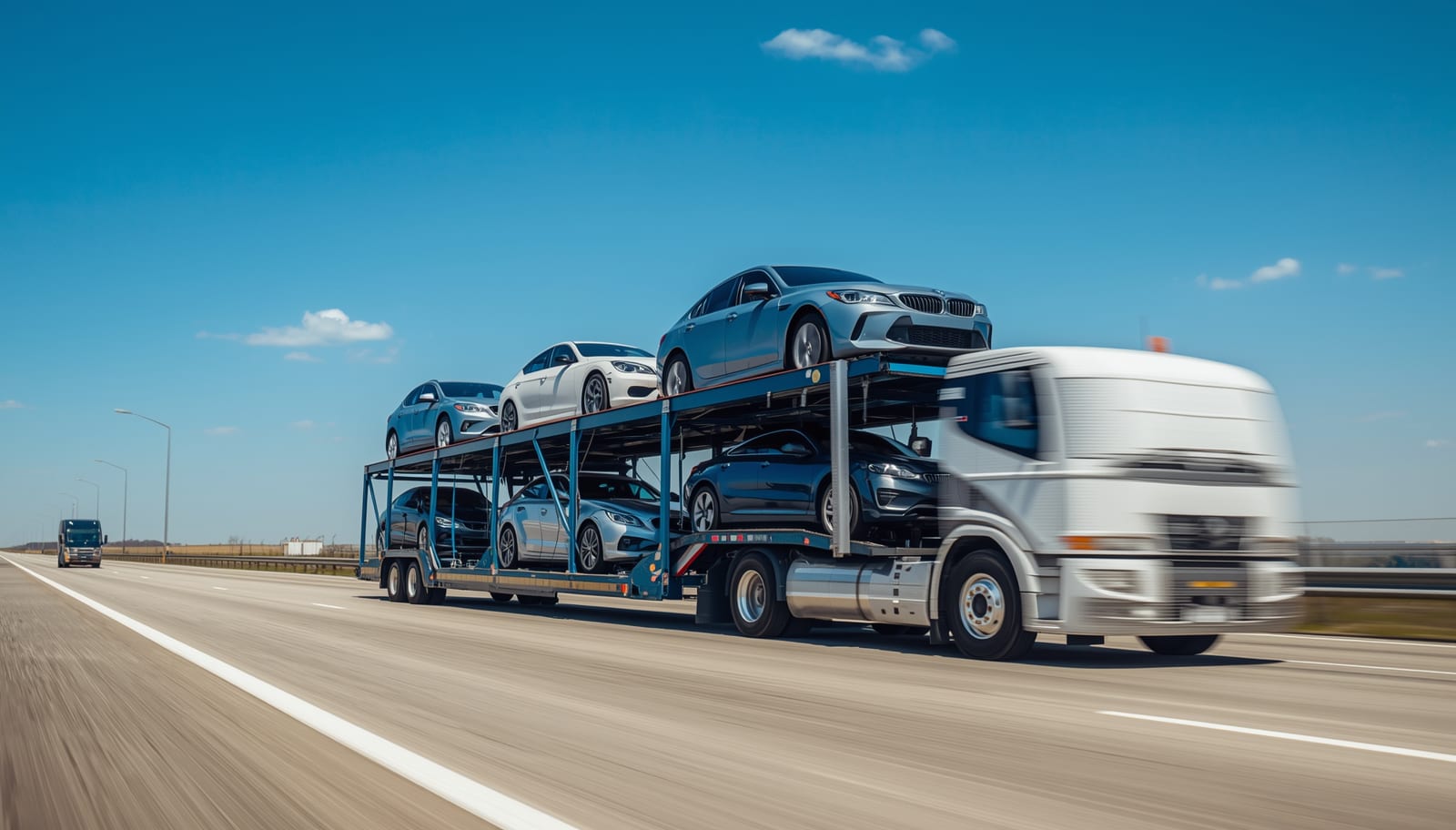
Shipping a show car isn't like shipping a daily driver. The car has to arrive not just undamaged but show-ready — no road grime, no chips, no flat spots in the paint from a strap rubbing in the wrong place — and it has to arrive inside a strict move-in window.
Whether you're heading to a concours d'elegance, a trade show like SEMA, or a regional car show, this guide covers the transport options, when to book, how to prep the car and what it typically costs.
Free car shipping quote
What will it cost to ship your car?
Get Your Free Quote
Free quote in 60 seconds · We never sell your info
Why Show Car Transport Is Its Own Category
- Condition standard: A daily driver needs to arrive safe. A show car needs to arrive judged-ready.
- Hard deadlines: Shows have move-in windows. Arriving a day late can mean missing the event.
- Specialist handling: Low ground clearance, delicate trim and fragile paint need soft straps, lift gates and careful drivers.
- Value and insurance: Collector cars often exceed the per-vehicle coverage an open carrier offers.
Transport Options for Collector and Show Cars
Enclosed transport: The standard for collector and show cars. Fully protects the car from weather, debris and onlookers. See enclosed car transport.
Climate-controlled enclosed transport: Adds heating, cooling and humidity control. Worth considering for museum-quality restorations, original paint and interiors, and cars crossing very hot or humid regions.
Single-car or two-car enclosed trailers: Fewer loading moves, more direct routing and closer attention — at a higher price.
Open transport: Rarely the right choice for a show car, but fine for a driver-quality classic on a budget. Compare in open vs. enclosed car transport.
Planning Around Major Events
Monterey Car Week and Pebble Beach (mid-August): Enclosed and climate-controlled trailer space on the West Coast fills fast. Book 60–90 days ahead.
SEMA Show (early November, Las Vegas): A trade show with tight, scheduled move-in times. Exhibitors often need delivery to a marshaling yard on a specific day. Book at least 30–60 days ahead.
Regional concours and shows: Book three to six weeks ahead, longer during spring and summer show season.
Always share the show's move-in instructions with us at booking so the carrier can plan delivery around them.
Want your actual price? Request a free quote in 60 seconds — no payment, no spam.
Get My Free Quote →How to Prepare a Show Car for Transport
- Wash and detail it: Including wheels, undercarriage and grille, so existing marks are visible.
- Photograph everything: All sides, corners, interior and engine bay. See vehicle inspection photos.
- Remove loose items and accessories: Including show displays, unless they're packed separately.
- Secure or remove fragile parts: Spoilers, antennas, mirrors. Make sure a convertible top is latched and sealed.
- Check fluids, battery and tire pressure: The car needs to drive on and off the trailer.
- Note ground clearance: Lowered cars may need a lift gate rather than ramps.
Insurance for Collector Cars
Confirm the carrier's cargo coverage before pickup, and check what your own collector policy covers in transit. Agreed value coverage is the strongest protection for a classic. Read classic car insurance and shipping.
What Collector and Show Car Transport Costs
Enclosed transport typically runs about 30–40% above open carrier pricing. Climate-controlled, single-car and white-glove service cost more again, and event-week demand adds a premium on popular routes.
What moves the price:
- Distance and route
- Enclosed vs. climate-controlled vs. single-car trailer
- Hard delivery dates around a show
- Lift gate needs for low cars
- Peak season and holidays
Get an exact quote through our classic car shipping or exotic car transport services.
Delivery at the Show
Show grounds often have strict delivery rules:
- A specific marshaling or staging area
- Set time slots for unloading
- Credentials or passes for the driver
- Restrictions on large trucks near the show field
Share the show's logistics packet with us at booking. Have someone from your team on site to receive the car, and plan for a return pickup after the event closes.
Want your actual price? Request a free quote in 60 seconds — no payment, no spam.
Get My Free Quote →Planning a Round Trip or Show Season
Many collectors ship to several events in a season. Booking a round trip, or a series of shows with the same carrier, can reduce costs and keep the same driver familiar with your car. Plan return dates as carefully as arrival dates — carriers fill up quickly when a big event ends.
Collector Car Auctions
High-end collector auctions also need enclosed, careful transport, with strict delivery and pickup windows. Whether you're consigning or buying, book transport as soon as the lot is confirmed. See auction car shipping.
Why Show Transport Is Its Own Tier
Standard enclosed transport protects a car from weather and debris. Show transport adds a layer on top: the car must arrive judged-ready, on a specific day, often at a specific gate or staging area, and sometimes after a long trip through heat, cold or humidity. Drivers who specialize in show cars handle low clearances, delicate trim, fresh paint and expensive wheels, and they coordinate with event staff. That combination of care and timing is why show transport costs more — and why owners book specialists.
What Climate-Controlled Trailers Offer
- Temperature control: Heating and cooling to keep the interior in a stable range.
- Humidity control: Protects leather, wood, original paint and electronics.
- Air-ride suspension: Smoother ride over long distances.
- Lift gates: Load the car level, with no ramp angle.
- Soft tie-downs and wheel nets: No contact with the chassis or suspension.
- Padded walls and interior lighting: Safer loading and inspection.
- Security: Locked, hard-sided trailers.
When to Book Show Transport
- Major concours events: 60–90 days ahead. Climate-controlled and single-car trailers are limited, and many owners book for the same week.
- Trade shows like SEMA: 30–60 days ahead, with exact move-in times from the show organizer.
- Regional shows and cars-and-coffee events: Three to six weeks.
- Auctions: As soon as the consignment is confirmed.
Share move-in packets, gate instructions and on-site contacts as soon as you have them.
Monterey Car Week vs. SEMA: Two Very Different Logistics
Monterey Car Week (August): A cluster of concours, auctions and gatherings on the Monterey Peninsula. Roads are congested, schedules are packed, and many cars arrive days ahead. Climate-controlled enclosed transport is common, and staging and storage near the events are in high demand.
SEMA Show (early November, Las Vegas): A trade show where builders and brands display vehicles in exhibit halls and outdoor areas. Move-in happens in tight time slots, often through a marshaling yard. Builders frequently ship directly from their shops, sometimes finishing cars right up to the deadline.
Both require precise timing, but the paperwork, access rules and pace are very different. Tell us which event you're heading to and we'll plan around its rules.
Detailed Prep for Collector Cars
- Detail the car fully, including wheels and engine bay, so the inspection is accurate.
- Photograph every panel, trim piece and wheel at pickup.
- Remove or secure loose items: show signs, chocks, covers.
- Check battery, fluids and tire pressures; bring a battery maintainer if the car will sit at the show.
- Note any fragile parts — antennas, spoilers, badges — for the driver.
- Pack documentation: registration, insurance card, appraisal and show paperwork.
Planning the Return Trip
After a big event, every owner wants to leave at once. Book the return trip when you book the outbound trip, and confirm the pickup time with the event's move-out schedule. If you're going to more than one event in a season, a carrier that knows your car and your schedule can make the whole season easier.
Show Transport Cost Factors in More Detail
- Trailer type: Multi-car enclosed is the most affordable enclosed option; single-car and climate-controlled cost more.
- Distance: Cross-country show trips cost more but per-mile rates drop with distance.
- Event demand: Major event weeks raise prices on routes into the event region.
- Timing commitments: Guaranteed arrival and departure dates add cost.
- Special handling: Lift gates, extra crew and on-site staging time.
- Round trips: Booking both directions together can lower the total.
The Short Version
Book early, choose enclosed (climate-controlled for the most valuable cars), share the event's move-in rules, detail and photograph the car, and plan the return trip at the same time. Show transport is all about timing and condition, and both are easier with a carrier that does it every season.
Frequently Asked Questions
What's the safest way to ship a collector car?: Enclosed transport, ideally climate-controlled for high-value or original cars, with a carrier whose cargo coverage fits the car's value.
How far ahead should I book transport for a concours or SEMA?: For major events, 60–90 days ahead. For regional shows, three to six weeks.
How much more does show car transport cost?: Enclosed transport usually runs about 30–40% above open carrier rates, and climate-controlled or single-car service costs more.
What's different about a climate-controlled trailer?: It actively manages temperature and humidity, which helps protect original paint, leather and wood trim on long trips.
Can you deliver directly to a show's staging area?: Yes, when the event allows it. Share the show's delivery instructions and on-site contact.
Do you ship race cars to track events?: Yes. See race car transport.
Can my car be stored near an event?: Often, through nearby secure storage. Ask at booking, especially for busy event weeks.
Is climate-controlled transport necessary?: Not for every car. It's most useful for museum-quality restorations, original interiors and long trips through extreme heat or humidity.
Can you transport several cars for one collector?: Yes. Multi-car enclosed trailers can carry several cars from one collection to the same event.
Do you handle cars for builders exhibiting at SEMA?: Yes. We coordinate with the show's move-in schedule and deliver to the marshaling area or booth as allowed.
Source: every broker and carrier's operating authority, safety rating, and insurance status is public record — verify any company for free at the FMCSA SAFER System.
Related Articles
Classic Car Insurance and Shipping: Agreed Value vs. Stated Value