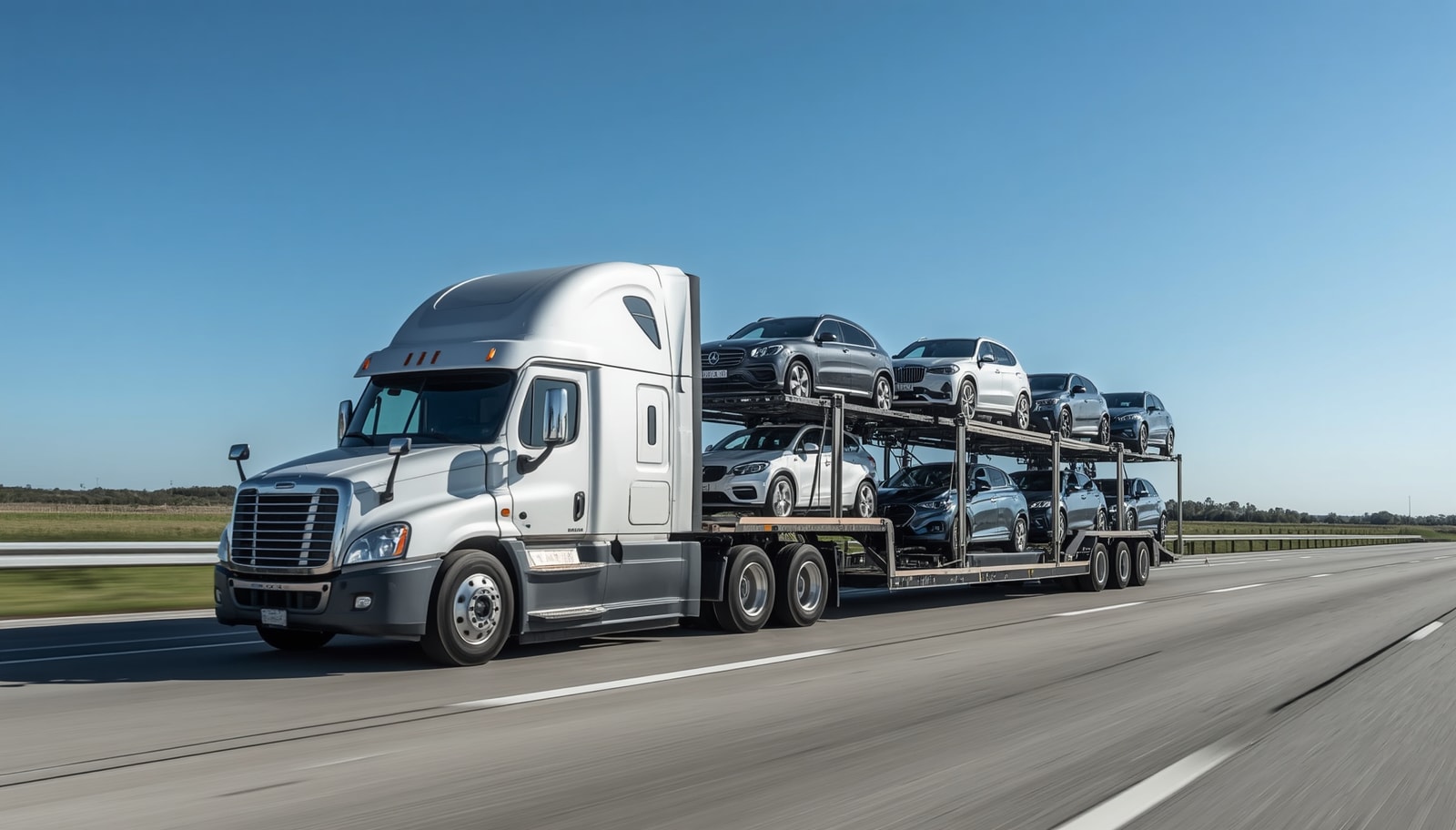
If your car ever arrives with a scratch that wasn't there before, your photos are what prove it. Without them, it's your word against the driver's. With them, a claim is usually straightforward.
This guide gives you a simple 16-shot checklist for pickup, the mistakes that weaken photos as evidence, and how to shoot delivery photos so they line up with pickup.
Free car shipping quote
What will it cost to ship your car?
Get Your Free Quote
Free quote in 60 seconds · We never sell your info
Why Photos Are Evidence, Not Just a Precaution
The Bill of Lading records the car's condition, but the diagram is small and notes are brief. Photos fill the gap. Carriers and insurers look for photos that are dated, show the whole car, and clearly match pickup and delivery angles.
Good photos make claims faster and settlements fairer. They also prevent disputes in the first place — a driver who sees you documenting carefully tends to inspect carefully too.
The 16-Shot Pickup Checklist
- Four sides, straight on: front, rear, driver side, passenger side.
- Four corners at 45 degrees: each corner showing two sides at once.
- Three overhead views: roof, hood and trunk lid (stand on a step stool if you can).
- Four wheels: each wheel and tire, including the rim.
- One dashboard shot: showing the odometer, fuel level and any warning lights.
Add close-ups of any existing damage, with a wide shot first so it's clear where on the car it is.
6 Photo Mistakes That Weaken Claims
- Shooting days before pickup: Photos should be taken on pickup day.
- Sending photos through messaging apps: Apps often compress images and strip the metadata that shows when they were taken.
- Poor lighting: Shadows hide scratches. Shoot in daylight or under good light.
- A dirty car: Dirt hides damage. Wash the car first.
- Skipping angles: A missing corner is exactly where a dispute ends up.
- Forgetting delivery photos: Without a matching set, there's nothing to compare.
Want your actual price? Request a free quote in 60 seconds — no payment, no spam.
Get My Free Quote →The Delivery Shoot: Matching Pickup Photos
- Repeat the same 16 shots in the same order.
- Try to match the lighting — ask for daytime delivery if possible.
- Compare photos side by side before signing the Bill of Lading.
- Write any new damage on the BOL, then photograph it.
- Ask the driver to acknowledge the noted damage.
See Bill of Lading explained for how to write damage notes.
Video vs. Photos, and Keeping Metadata
Use both. A slow walk-around video gives continuous context; photos capture sharp detail. Before you shoot:
- Check your phone's date and time are correct.
- Turn on location services for the camera.
- Use your phone's default camera app.
- Back up the originals to cloud storage the same day.
- Don't edit or filter the images.
How to Organize Photos If You Need to File a Claim
- Name files in order (01-front-pickup, 01-front-delivery, and so on).
- Put matching pickup and delivery shots side by side in a simple PDF.
- Include both signed BOLs.
- Write a one-page summary of what's damaged and where.
- Email the package with a cloud link to the originals.
The rest of the claim process is in car damaged during shipping.
Don't Forget the Interior and Underbody
Exterior photos get the most attention, but a few more shots can matter:
- Interior: Seats, dashboard, headliner and any tears or stains.
- Underbody edges: Front lip, side skirts and rear diffuser — especially on low cars that might scrape on ramps.
- Glass: Windshield chips and cracks, close up.
- Wheels: Curb rash on each rim.
- Accessories: Spoilers, racks and antennas.
Want your actual price? Request a free quote in 60 seconds — no payment, no spam.
Get My Free Quote →Shooting in Low Light or Bad Weather
If pickup or delivery happens at night or in the rain:
- Use a flashlight held at an angle to reveal scratches.
- Shoot video while moving the light along each panel.
- Note "inspected after dark" or "inspected in rain" on the Bill of Lading.
- Re-inspect in daylight as soon as possible and report anything new within the carrier's notice period.
How Photos Help Even Without Damage
Good photos also help with insurance, resale and registration in a new state, and they make disputes rare. When a driver sees you documenting carefully, both of you agree on the car's condition up front. Read car damaged during shipping for how photos fit into a claim.
What Makes a Photo Strong Evidence
Insurers and carriers look for photos that are:
- Dated: Taken on pickup or delivery day, with intact metadata.
- Clear: In focus, in good light, without heavy filters.
- Complete: Covering the whole car, not just one area.
- Matched: The same angles at pickup and delivery so changes are obvious.
- Contextual: A wide shot first, then a close-up, so it's clear where on the car the damage is.
Photos that meet these standards make claims quick. Photos that miss them invite questions.
Phone Settings to Check Before You Shoot
- Date and time: Set to automatic.
- Location: Allow the camera to save location data.
- Resolution: Use full resolution, not a compressed or "saver" mode.
- HDR: On, to capture detail in shadows and bright spots.
- Storage: Make sure you have room for 30–60 photos and a short video.
- Backup: Turn on cloud backup so originals are saved automatically.
The 16 Shots, Step by Step
Shots 1–4 (sides): Stand 8–10 feet away and capture each full side straight on.
Shots 5–8 (corners): Stand at each corner so two sides are visible.
Shots 9–11 (top surfaces): Roof, hood and trunk lid. Use a step stool if you can.
Shots 12–15 (wheels): Each wheel and tire, including the face of the rim.
Shot 16 (dashboard): Odometer, fuel level and any warning lights, with the car on.
Then take close-ups of every existing scratch, dent or chip, each paired with a wider shot.
Shooting a Walk-Around Video
Start at the front of the car, say the date and location out loud, and walk slowly all the way around at a steady distance. Pause at each existing mark. Finish inside the car with the dashboard on. Keep the video under three minutes so it's easy to share. Video doesn't replace photos, but together they leave little room for doubt.
When You Can't Be There in Person
If a dealer, auction or seller is releasing the car, ask them to take the same 16 shots on pickup day and send them to you. Many carriers also take photos with electronic Bills of Lading — ask the broker to forward them. At delivery, take your own full set before signing.
More Mistakes to Avoid
- Using the zoom instead of moving closer, which blurs details
- Shooting through dirty or wet glass
- Photographing only the damaged side of the car
- Deleting "bad" photos — keep everything until the shipment is complete
- Editing, cropping or filtering originals before sending them
Example: How Photos Settle a Claim
A customer ships a sedan cross-country. At delivery, she notices a fresh 4-inch scratch on the rear bumper. Her pickup photos from that morning show the bumper clean, with metadata showing the date, time and location of pickup. Her delivery photos, taken from the same angle in daylight, show the scratch. She notes it on the Bill of Lading, emails the photos and a repair estimate to the broker and carrier, and the claim is approved within a couple of weeks. Without the pickup photos, the carrier could have argued the scratch was already there.
Naming and Storing Your Photos
Create a folder for the shipment with two subfolders: pickup and delivery. Name files with the shot number and angle — for example, "01-front," "02-driver-side" — in both folders. That makes side-by-side comparison easy. Back up the folder to cloud storage the same day, and keep it until you're sure no claim is needed.
The Short Version
Take the same 16 photos at pickup and delivery, in good light, with intact metadata. Add close-ups of existing damage, back everything up the same day, and compare before you sign. That's all it takes to protect yourself.
Frequently Asked Questions
How many photos should I take before shipping my car?: At least 16: four sides, four corners, roof, hood, trunk, four wheels and the dashboard. Add close-ups of any existing damage.
Do photo timestamps matter for a claim?: Yes. The metadata inside the file shows when and where it was taken. Pickup-day photos with intact metadata are the strongest evidence.
What if I forgot to take photos before pickup?: Your claim is weaker but not lost. Use the pickup Bill of Lading, any recent photos you have and any photos the driver took.
Should I take video or photos?: Both. Video gives a continuous view; photos give sharp detail.
Should I photograph the undercarriage?: If you can safely, yes — especially for low cars. Photograph the front lip and side skirts at least.
How long should I keep the photos?: At least until any claim window has passed. Federal rules allow at least nine months to file a written claim, so keeping them for a year is a good habit.
Can I use the driver's photos instead of my own?: They help, but your own set is best because you control when and how they were taken.
Do I need professional photos?: No. A modern phone camera is fine, as long as the photos are clear, well lit and complete.
Should I take photos even for a short trip?: Yes. Damage can happen on any trip, and photos take only a few minutes.
What if the driver disagrees with my photos?: Note the disagreement on the Bill of Lading, keep your photos and contact your broker. Dated photos taken at pickup are strong evidence.
Source: every broker and carrier's operating authority, safety rating, and insurance status is public record — verify any company for free at the FMCSA SAFER System.
Related Articles
Bill of Lading in Car Shipping: What It Is and How to Fill It Out
Car Damaged During Shipping? A Step-by-Step Claim Guide