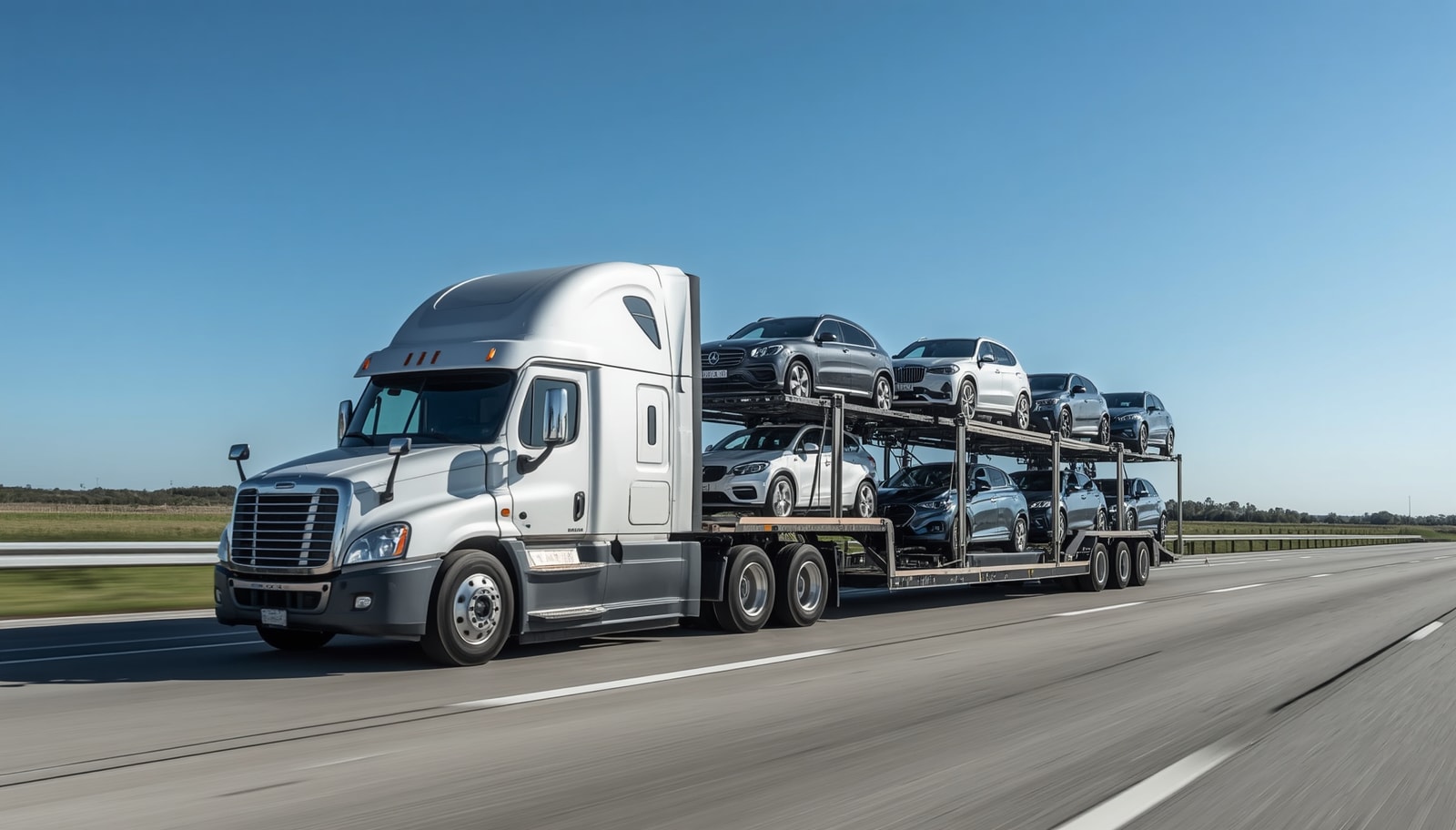
When the driver arrives to pick up your car, he'll hand you a form to inspect and sign. That form is the Bill of Lading (BOL), and it's the most important document in your whole shipment. It's the receipt, part of the contract and the condition report all in one.
If anything goes wrong, the BOL is what a claim is built on. This guide explains what's on it, how to inspect your car at pickup and delivery, and the mistakes that make claims harder.
Free car shipping quote
What will it cost to ship your car?
Get Your Free Quote
Free quote in 60 seconds · We never sell your info
What a Bill of Lading Actually Does
The BOL does three jobs at once:
- Receipt: It proves the carrier took possession of your vehicle.
- Contract terms: It records the pickup and delivery details and key terms of transport.
- Condition report: It documents the car's condition — scratches, dents, chips — at pickup and again at delivery.
You and the driver sign it at both ends. The two signatures together show what changed, if anything, while the car was in the carrier's care.
What's on the Bill of Lading
- Carrier name, USDOT/MC number and driver name
- Shipper and receiver names and contact details
- Pickup and delivery addresses
- Vehicle year, make, model, color and VIN
- Mileage at pickup
- A vehicle diagram marked with existing damage
- Notes on condition and any personal items
- Signatures and dates at pickup and delivery
Pickup Inspection: What to Do
- Wash the car a day or two before pickup so damage is visible.
- Walk around the car with the driver and agree on every existing mark.
- Make sure the diagram matches what you see — don't let it say "dirty" or "too dark to inspect."
- Take your own photos of all sides, corners, roof, wheels and the dashboard. See our vehicle inspection photos guide.
- Get a copy of the signed BOL before the truck leaves.
Want your actual price? Request a free quote in 60 seconds — no payment, no spam.
Get My Free Quote →Delivery Inspection: The Moment That Matters Most
- Inspect before you sign, even if the driver is in a hurry.
- Use the pickup BOL and your photos to compare.
- Check in good light. If it's dark, use a flashlight and note "delivered after dark" on the BOL.
- Write any new damage precisely: "new 2-inch dent, front driver door."
- Photograph each new issue, then sign.
Signing with damage noted protects your claim. Refusing to sign at all usually doesn't help — note it and sign.
If You Find Damage
Note it on the BOL, photograph it, notify the carrier and your broker in writing, get a repair estimate and file the claim. Federal rules give you at least nine months from delivery to file a written claim. The full process is in car damaged during shipping.
Common BOL Mistakes
- Signing without inspecting: The most expensive mistake.
- Skipping photos: The BOL diagram alone can be vague.
- Trusting verbal promises: "I'll mention it to dispatch" isn't documentation. Write it down.
- Inspecting in poor light: Damage hides in shadows and at night.
- Leaving without a copy: Always keep your copy of both the pickup and delivery BOL.
Example: Writing a Clear Damage Note
Vague notes make claims harder. Compare these:
- Weak: "Scratch on door."
- Strong: "New 3-inch scratch, rear passenger door, below handle. Not present at pickup — see pickup photo 07."
Include the size, the exact location and whether it's new. If there are several issues, number them and match each to a photo.
Want your actual price? Request a free quote in 60 seconds — no payment, no spam.
Get My Free Quote →Paper vs. Electronic Bills of Lading
Many carriers now use electronic Bills of Lading on a phone or tablet, with built-in photos and GPS time stamps. They work the same way as paper: you inspect, note damage, and sign. Ask the driver to email or text you a copy before leaving, and save it with your own photos.
When Someone Else Signs for You
If a friend, family member or dealer releases or receives the car, make sure they know how to inspect it and what to write. Send them your pickup photos ahead of delivery, and ask them not to sign until they've walked around the whole car in good light.
The 8 Parts of a Car Shipping Bill of Lading
1. Carrier information: Company name, USDOT/MC number and driver name.
2. Shipper and consignee: Who's releasing the car and who's receiving it, with phone numbers.
3. Pickup and delivery addresses: Where the car is collected and dropped off.
4. Vehicle details: Year, make, model, color, VIN and sometimes plate number.
5. Mileage and fuel: Odometer reading at pickup.
6. Condition diagram: An outline of the car with codes for scratches, dents, chips and other damage.
7. Notes: Space for anything the diagram doesn't capture — personal items, existing issues, "dirty car" or "inspected after dark."
8. Signatures and dates: From both you and the driver at pickup and again at delivery.
The Three Types of Bill of Lading in Auto Transport
Pickup BOL: Completed when the car is loaded. It records the car's condition before the carrier takes responsibility.
Delivery BOL: The same document (or a copy) completed at drop-off. Comparing it with the pickup BOL shows what, if anything, changed.
Electronic BOL (eBOL): A digital version on a phone or tablet, often with photos, timestamps and GPS. It works the same way legally and is easier to share.
Some carriers also issue a separate receipt for payment; keep it with your BOL copies.
A 16-Point Pickup Inspection
Walk around the car with the driver and check, in order:
- Front bumper, hood and grille
- Windshield and wipers
- Driver-side fenders, doors and mirror
- Roof and roof rails
- Rear bumper, trunk lid and tailgate
- Rear window and lights
- Passenger-side fenders, doors and mirror
- All four wheels and tires
- Interior seats and dashboard
Photograph each area. Make sure every existing mark is on the diagram before you sign.
Understanding Damage Codes
Many BOL diagrams use letter codes to mark damage, such as S for scratch, D for dent, C for chip, Cr for crack, R for rust and M for missing. The driver writes the code at the right spot on the outline. If you don't understand a code, ask. If a code is missing for damage you can see, ask the driver to add it. These small marks matter if there's ever a dispute.
Why the BOL Carries So Much Weight
Under federal law, the carrier is responsible for damage that happens while the vehicle is in its care. The BOL is how both sides prove what the car looked like when that responsibility started and ended. A detailed, signed BOL with matching photos makes a claim straightforward. A vague or blank one makes it a dispute. See car damaged during shipping.
BOL Checklist
- Never sign a blank or incomplete BOL.
- Make sure the VIN matches your car.
- Check that the mileage is recorded.
- Confirm every existing mark is noted.
- Keep a copy of both the pickup and delivery versions.
- Store the BOL with your photos and receipts.
How Photos Support the Bill of Lading
The BOL diagram is small, and notes are brief. Your own photos fill the gaps. Take a matching set at pickup and delivery — every side, every corner, the roof, wheels and dashboard — in good light. If a claim is ever needed, photos that line up with the BOL notes are the strongest evidence you can have. Our vehicle inspection photos guide covers the full 16-shot method.
Bills of Lading for Dealer and Auction Shipments
When a dealer or auction releases a car, their staff may sign the pickup BOL instead of you. Ask for a copy as soon as the car is loaded and check that the condition notes look right. At delivery, inspect carefully before you sign, because you're the first person on your side to see the car since it left the lot.
The Short Version
Inspect carefully, note every mark, take matching photos, keep your copies, and never sign a blank Bill of Lading. Those five habits protect you in almost every situation where something goes wrong.
Frequently Asked Questions
What is a Bill of Lading in car shipping?: It's the document you and the driver sign at pickup and delivery. It works as a receipt, part of the transport contract and a condition report for your vehicle.
Should I sign the Bill of Lading if I find damage?: Yes, but only after writing the damage on it in specific terms and photographing it.
Can I file a claim after signing a clean Bill of Lading?: It's possible but harder. You'll need strong evidence, like dated photos showing the damage wasn't there at pickup.
Who is liable for damage noted on the BOL?: The carrier that transported the vehicle. Its insurance responds to the claim.
Is the Bill of Lading the same as a contract?: It records key terms and the car's condition, and works alongside your booking agreement with the broker or carrier.
Can I add notes to the Bill of Lading?: Yes. Add notes about conditions like poor lighting, rain or a dirty car, and anything the diagram doesn't capture.
What if the driver won't let me inspect before signing?: Don't sign until you've inspected. Call your broker right away if the driver insists.
Do I get a copy of the Bill of Lading?: Yes. You should get a copy at pickup and at delivery, on paper or electronically.
Can I refuse delivery if my car is damaged?: Refusing delivery usually doesn't help. Note the damage on the Bill of Lading, photograph it, sign, and start the claim right away.
Source: every broker and carrier's operating authority, safety rating, and insurance status is public record — verify any company for free at the FMCSA SAFER System.
Related Articles
Car Damaged During Shipping? A Step-by-Step Claim Guide
Vehicle Inspection Photos for Car Shipping: The 16-Shot Checklist