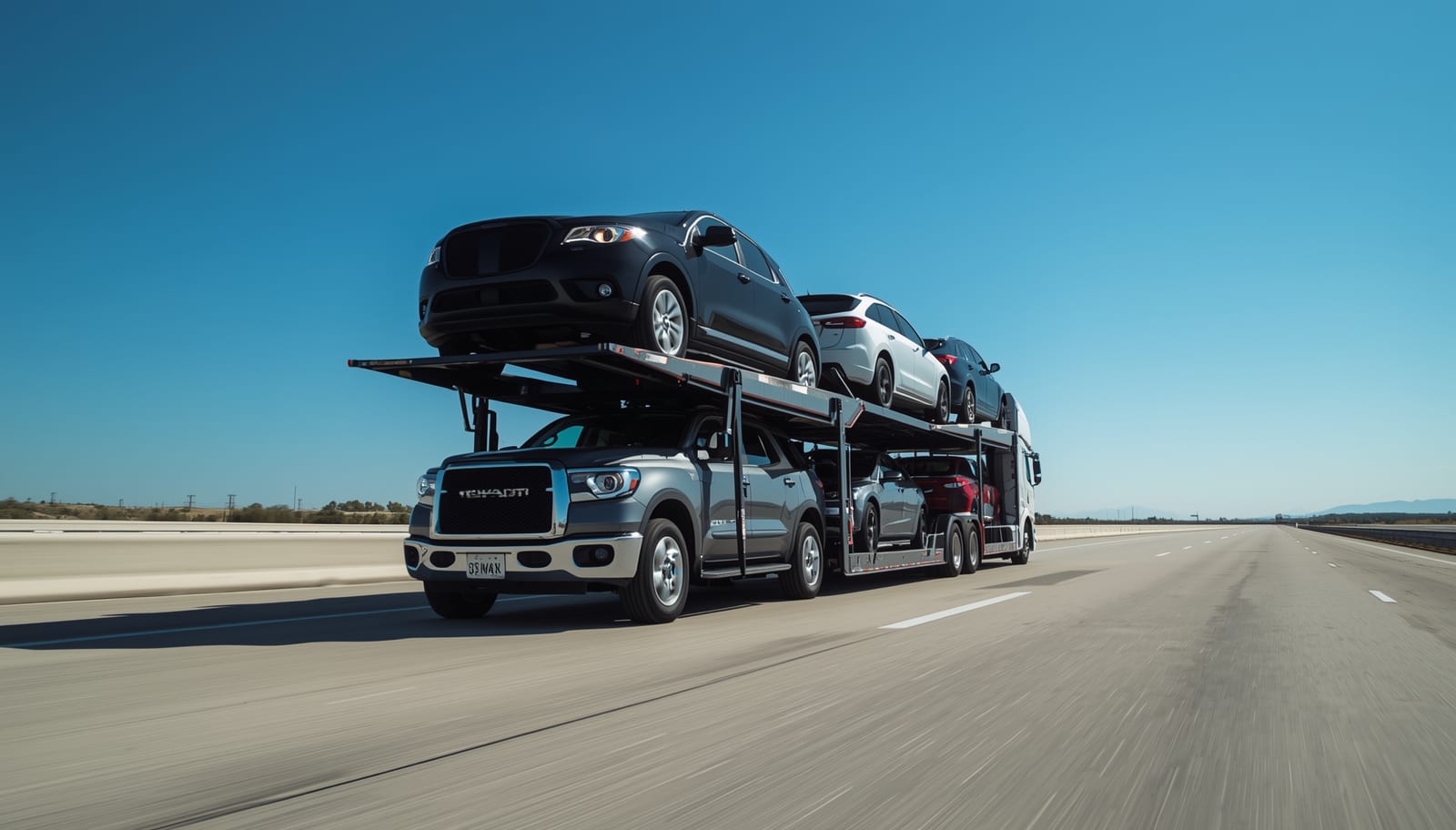
Selling to a buyer in another state can get you a better price than selling locally. But it also raises questions: Who pays for shipping? When do you hand over the title? How do you know the payment is real?
This guide walks sellers through each step, from agreeing on shipping to releasing the car, and shows the cheapest ways to ship that don't cut corners on safety.
Free car shipping quote
What will it cost to ship your car?
Get Your Free Quote
Free quote in 60 seconds · We never sell your info
Who Pays for Shipping?
There's no rule — it's part of the deal. The most common arrangements are:
- The buyer arranges and pays for transport. You simply release the car to their carrier once you're paid.
- You arrange it and add the cost to the price. This can help close the sale, because the buyer gets a delivered price.
- You split it. Sometimes useful for closing a gap in negotiation.
Whatever you choose, put it in writing with the sale price, and agree on a pickup date before money changes hands.
Get Paid Before the Car Leaves
This is the most important rule for sellers: don't release the car until the payment has fully cleared.
- Bank wire: Confirm with your own bank that the funds have arrived — not just a screenshot from the buyer.
- Cashier's check: Call the issuing bank at a number you look up yourself to verify it, and wait for your bank to confirm it has cleared. Counterfeit cashier's checks are common.
- Escrow service: Only use one you've chosen and verified yourself, never one the buyer insists on.
- Avoid: Personal checks, payment-app transfers from strangers, and any payment that's more than the agreed price.
The FTC warns about overpayment scams, where a "buyer" sends more than the price and asks you to refund the difference or pay their "shipper." The original payment later bounces, and you lose the money you sent.
Title, Bill of Sale and Plates
- Bill of sale: Include the buyer's and seller's names and addresses, the VIN, sale price, date and odometer reading. Both of you sign. Keep a copy.
- Title: Sign it over as your state requires, including the odometer disclosure. Many sellers hand the title over only after payment clears, or mail it by tracked delivery once the car is picked up.
- Loan payoff: If you still owe money, your lender holds the title. Arrange the payoff and title release with the lender and buyer before shipping.
- License plates: Many states require sellers to remove their plates. The buyer will get a temporary tag or register the car in their state.
- Release of liability: File it with your DMV if your state has one, so you're not responsible for tickets or tolls after the sale.
- Insurance: Cancel your policy after the sale is complete and the car is no longer yours.
- Toll tags: Remove them, and close or move the account.
Want your actual price? Request a free quote in 60 seconds — no payment, no spam.
Get My Free Quote →The Cheapest Safe Ways to Ship a Sold Car
Open transport. The most common and affordable option. Your car rides on the same kind of carrier dealers use. It's safe for nearly every daily driver.
Flexible pickup dates. Giving a pickup window of a few days lets the carrier fit your car into an existing route, which keeps the price down.
Terminal-to-terminal. Dropping off at or picking up from a storage terminal can save money where available, though door-to-door is more convenient. See terminal-to-terminal auto transport.
Avoid the lowest quote. A price far below the rest often means no carrier will accept the job, leaving your buyer waiting and your sale at risk. See cheapest way to ship a car and how to compare car shipping quotes.
What It Costs
Typical open-carrier prices for a standard sedan:
- Open Carrier
- $400–$750
- Enclosed
- About $540–$1,010
- Open Carrier
- $700–$1,050
- Enclosed
- About $950–$1,420
- Open Carrier
- $950–$1,300
- Enclosed
- About $1,280–$1,760
- Open Carrier
- $1,100–$1,500
- Enclosed
- About $1,490–$2,030
- Open Carrier
- $1,300–$1,800
- Enclosed
- About $1,760–$2,430
| Distance | Open Carrier | Enclosed |
|---|---|---|
| Under 500 miles | $400–$750 | About $540–$1,010 |
| 500–1,000 miles | $700–$1,050 | About $950–$1,420 |
| 1,000–1,500 miles | $950–$1,300 | About $1,280–$1,760 |
| 1,500–2,000 miles | $1,100–$1,500 | About $1,490–$2,030 |
| 2,000+ miles | $1,300–$1,800 | About $1,760–$2,430 |

Pickup Day: What Sellers Should Do
- Confirm the carrier matches what you were told. If the buyer booked transport, ask for the carrier's name and the driver's contact in advance, and check that it matches the truck that shows up.
- Take photos of every side, the interior and the odometer.
- Inspect with the driver. The driver records the car's condition on the Bill of Lading. Review it before you sign.
- Hand over keys — all sets, plus manuals.
- Leave about a quarter tank of fuel and remove all personal items.
Once the car is loaded and you have a copy of the Bill of Lading, your part is done.
Red Flags for Sellers
- A buyer who won't talk on the phone or meet by video
- An overpayment with a request to refund the difference
- Pressure to release the car before funds clear
- A buyer who insists you pay their "shipping company" upfront
- An escrow website you've never heard of
If a deal feels rushed or strange, slow down. Our guide to car shipping scams covers more warning signs.
Want your actual price? Request a free quote in 60 seconds — no payment, no spam.
Get My Free Quote →A Simple Timeline for Out-of-State Sales
- Day 1: Agree on price, shipping terms and pickup window in writing.
- Days 1–3: Buyer sends payment. You wait until your bank confirms the funds have cleared.
- Days 2–4: Sign the bill of sale, prepare the title and book (or confirm) transport.
- Pickup day: Inspect the car with the driver, sign the Bill of Lading, hand over keys and, if agreed, the title.
- After pickup: Remove the car from your insurance, file a release of liability if your state has one, and keep copies of every document.
Delivery to the buyer usually takes 1–3 days for shorter routes and 7–10 days coast to coast.
Special Cases: Financed, Non-Running and Classic Cars
Financed car: The lender holds the title. Most sellers have the buyer pay the lender directly for the payoff amount and pay the seller the rest, or pay off the loan before the sale. Get the lender's payoff letter in writing.
Non-running car: It can still ship. The carrier needs a winch, which usually adds about $150. Disclose the condition when booking. See inoperable vehicle transport.
Classic or high-value car: Consider enclosed transport. It costs about 35% more but keeps the car out of weather and road debris — and the buyer is more likely to receive it exactly as you sold it.
Frequently Asked Questions
Should the buyer or seller pay for shipping?: Either — it's part of the deal. Often the buyer pays, but offering a delivered price can help you sell.
When should I give the buyer the title?: After the payment has fully cleared. Many sellers hand it to the buyer's driver at pickup or mail it by tracked delivery once paid.
Can someone else's carrier pick up the car I sold?: Yes. Confirm the carrier's name and driver details with the buyer in advance, and don't release the car until you're paid.
What's the cheapest safe way to ship a sold car?: Open transport with flexible pickup dates, booked through a licensed company at a realistic price.
Do I keep my license plates?: In many states, yes — sellers remove the plates. Check your state's rules.
How do I avoid a payment scam?: Never release the car until your own bank confirms the funds have cleared, and never refund an overpayment.
How long does it take to ship a car to a buyer?: Pickup usually happens within a few days of booking, and transit takes about 1–3 days for shorter routes and 7–10 days coast to coast.
Can I ship a car I sold that doesn't run?: Yes. It needs a winch-equipped carrier, which usually adds about $150.
Source: every broker and carrier's operating authority, safety rating, and insurance status is public record — verify any company for free at the FMCSA SAFER System.
Related Articles

How to Tell If a Car Shipping Company Is a Scam: 10 Warning Signs

Bill of Lading in Car Shipping: What It Is and How to Fill It Out