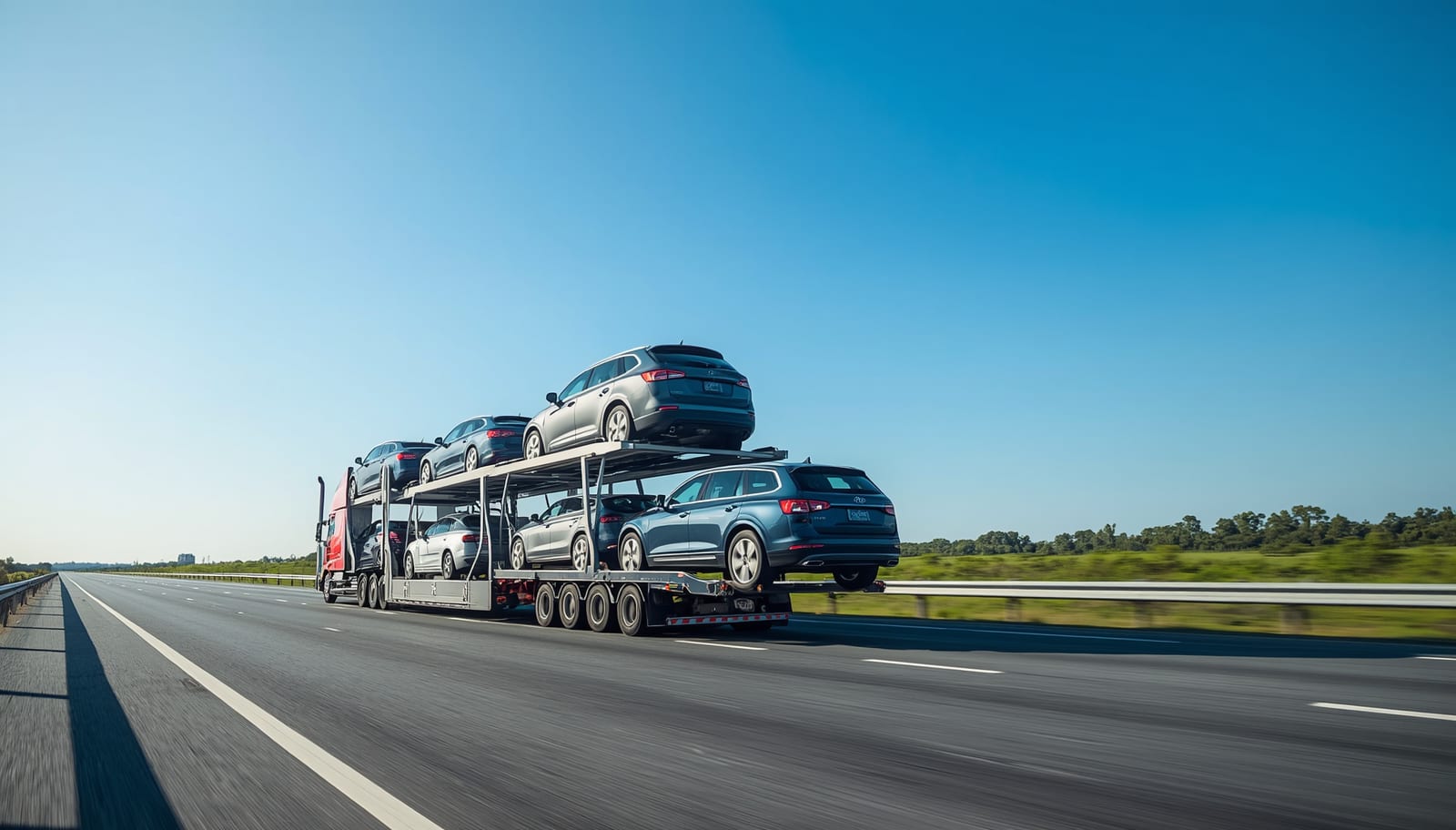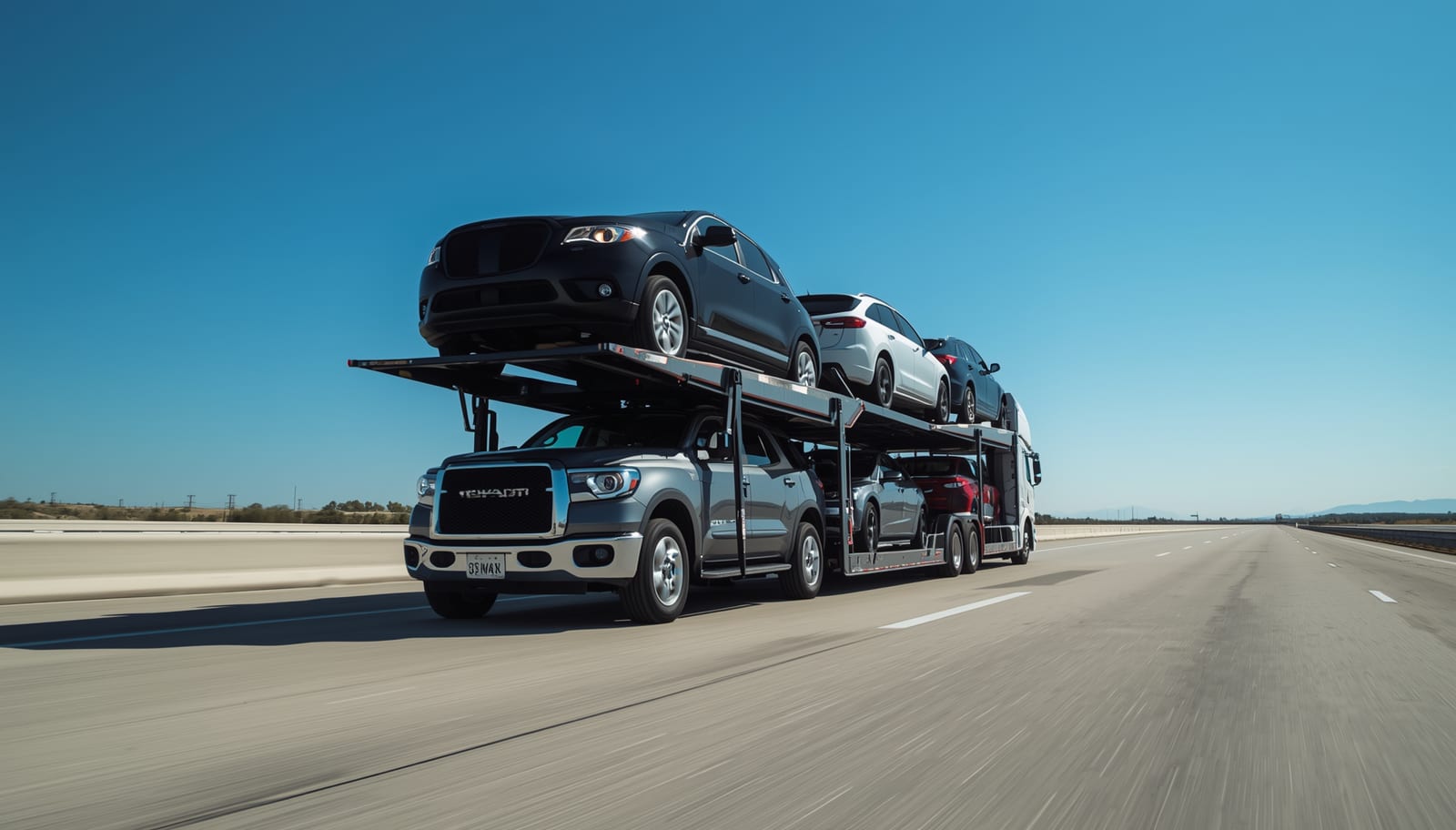
The cheapest way to ship a car is on an open carrier, with flexible pickup dates, outside the busy seasons. Those three choices alone can take hundreds of dollars off a long-distance shipment.
Below, we rank the shipping options from cheapest to most expensive, show what affordable car shipping really costs by distance, and walk through ten ways to pay less — plus how to spot a quote that's so cheap it will cost you more.
Car Shipping Options Ranked From Cheapest to Most Expensive
1. Open terminal-to-terminal: You drop the car at a carrier terminal and pick it up at another. Typically $50–$150 less than door-to-door, but only available on some routes, and you'll need rides to and from each terminal.
2. Open door-to-door: The standard option for most people. The carrier picks up and delivers as close to your addresses as it can safely reach.
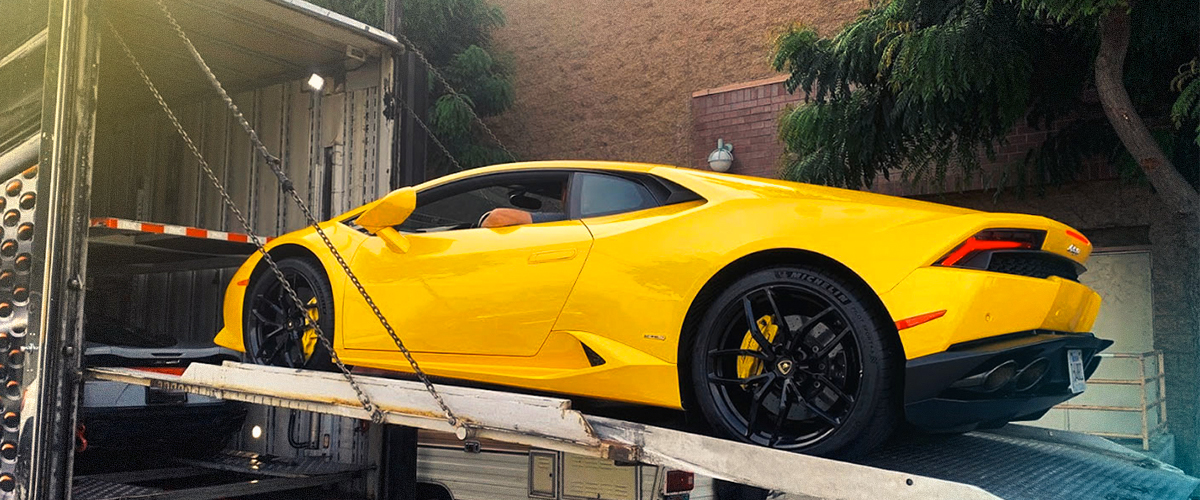
3. Enclosed transport: A covered trailer for luxury, classic, and exotic cars. Usually 30–40% more than open.
4. Expedited shipping: Priority dispatch for a faster pickup. About 20% more than standard service.
What Cheap Car Shipping Actually Costs
Open transport for a standard sedan typically costs:
300 miles: $270–$330.
800 miles: $580–$700.
1,500 miles: $880–$1,070.
2,500 miles (coast to coast): $1,460–$1,790.
The price per mile drops as distance grows, because carriers spread their loading time and fixed costs over more miles. A non-running car adds about $150 for winch loading.
10 Ways to Lower Your Car Shipping Cost
1. Choose open transport: It's 30–40% cheaper than enclosed and perfectly safe for everyday cars.
2. Be flexible with dates: A wider pickup window lets a carrier fit your car into a route it's already running.
3. Avoid peak season: Summer, the fall snowbird rush south, and the spring return north cost more. Late fall and winter are usually cheapest outside snowbird routes.
4. Book one to two weeks ahead: Last-minute bookings often need expedited service, and booking months ahead doesn't lock in a lower price.
5. Meet the carrier near a highway: Rural and hard-to-reach addresses cost more. Meeting the truck near an interstate can lower the price.
6. Use terminal-to-terminal where it's available: Save $50–$150 if you live near a terminal and can get to it.
7. Ship multiple cars together: Two or more cars on one carrier cost less per car.
8. Make sure the car runs: A non-running car adds about $150. If a simple fix like a new battery gets it running, do it before pickup.
9. Compare all-in quotes: Compare the full price, not the base rate. Fuel, door-to-door service, and insurance should be included.
10. Skip extras you don't need: Enclosed transport and expedited pickup are worth it for some cars and schedules, but not for most.
Cheap vs. Too Cheap: When a Low Quote Costs You More
Carriers choose which cars to haul from a load board, and they pick the ones that pay fairly for the miles. A quote well below the market rate often means your car sits unassigned while your moving date comes and goes. Then the company asks for more money, and you've lost days.
The cheapest real price is a fair market price with flexible dates. If one quote is hundreds of dollars below the rest, ask why before you book.
Is It Cheaper to Ship a Car or Drive It?
For short trips, driving is usually cheaper. For long ones, add up fuel, hotels, meals, time off work, and the wear on your car — a 2,000-mile drive can cost as much as shipping, and it takes three or four days of your time. Shipping also keeps miles off a leased car, where extra mileage is charged at the end of the lease.
Find Your Cheapest Price in 60 Seconds
Our free car shipping calculator shows your price range as soon as you enter your route, with no email or phone number needed. Try it with open transport and flexible dates, then call us to ask how timing could lower the price further.
Source: every broker and carrier's operating authority, safety rating, and insurance status is public record — verify any company for free at the FMCSA SAFER System.