Buying a car on Facebook Marketplace in 2026 is easier than ever. With just a few clicks, you can find a great deal on the other side of the country. But once the sale is done, you're left with one big question: how do I get this vehicle delivered to me safely and affordably?
This guide walks you through the complete process of shipping a car you bought on Facebook Marketplace — from verifying the sale and choosing the right transport type to preparing the vehicle and avoiding the mistakes that cost buyers time and money.
Why Facebook Marketplace Is Popular for Car Buying
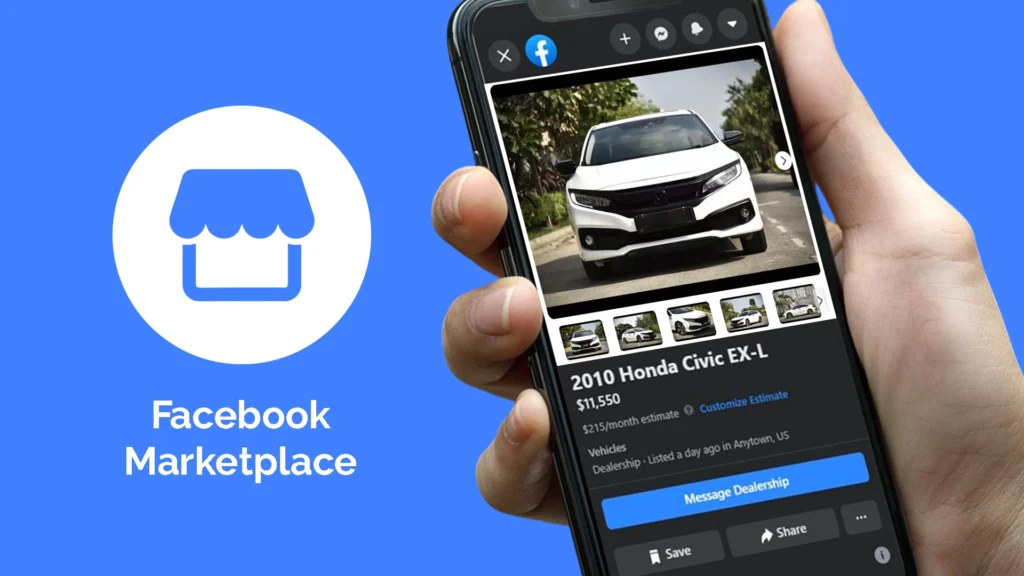
Facebook Marketplace has become one of the top platforms for used car buyers because it offers fast, direct access to local and national listings in a single interface.
Buyers choose Marketplace because it lets you:
- Browse thousands of cars across all price ranges in real time
- Connect directly with sellers — private owners or small dealers — without going through a dealership
- Negotiate and complete transactions quickly without middlemen or added fees
The challenge is that many of the best deals are not in your state. A 2019 pickup truck priced $3,000 under market might be 1,200 miles away. A rare sports car at the right price might be across the country. Understanding how to ship a vehicle you bought online is what makes those out-of-state deals actually accessible — and worth pursuing.
Step 1: Confirm the Sale and Vehicle Details
Before arranging transport, make sure the sale is legitimate. This step is critical to avoid fraud and prevent delays caused by title issues or vehicle condition misrepresentation.
Checklist before scheduling pickup:
- Obtain a signed Bill of Sale and the physical vehicle title from the seller
- Verify the VIN and check the full vehicle history through Carfax or AutoCheck
- Request detailed photos or a video walkthrough of the vehicle before sending full payment
- Confirm whether the car is operable or non-operable — this affects transport equipment and cost
- Confirm the title is clean, in the seller's name, with no active lien holds
These steps protect your investment and ensure you're shipping a legitimate vehicle. A carrier dispatched to a seller whose title is in dispute or whose vehicle condition was misrepresented cannot complete the pickup — and you may lose your transport deposit along with time. Verify everything before booking.
Step 2: Choose the Right Auto Transport Type
There are two primary methods for shipping a car purchased on Facebook Marketplace.
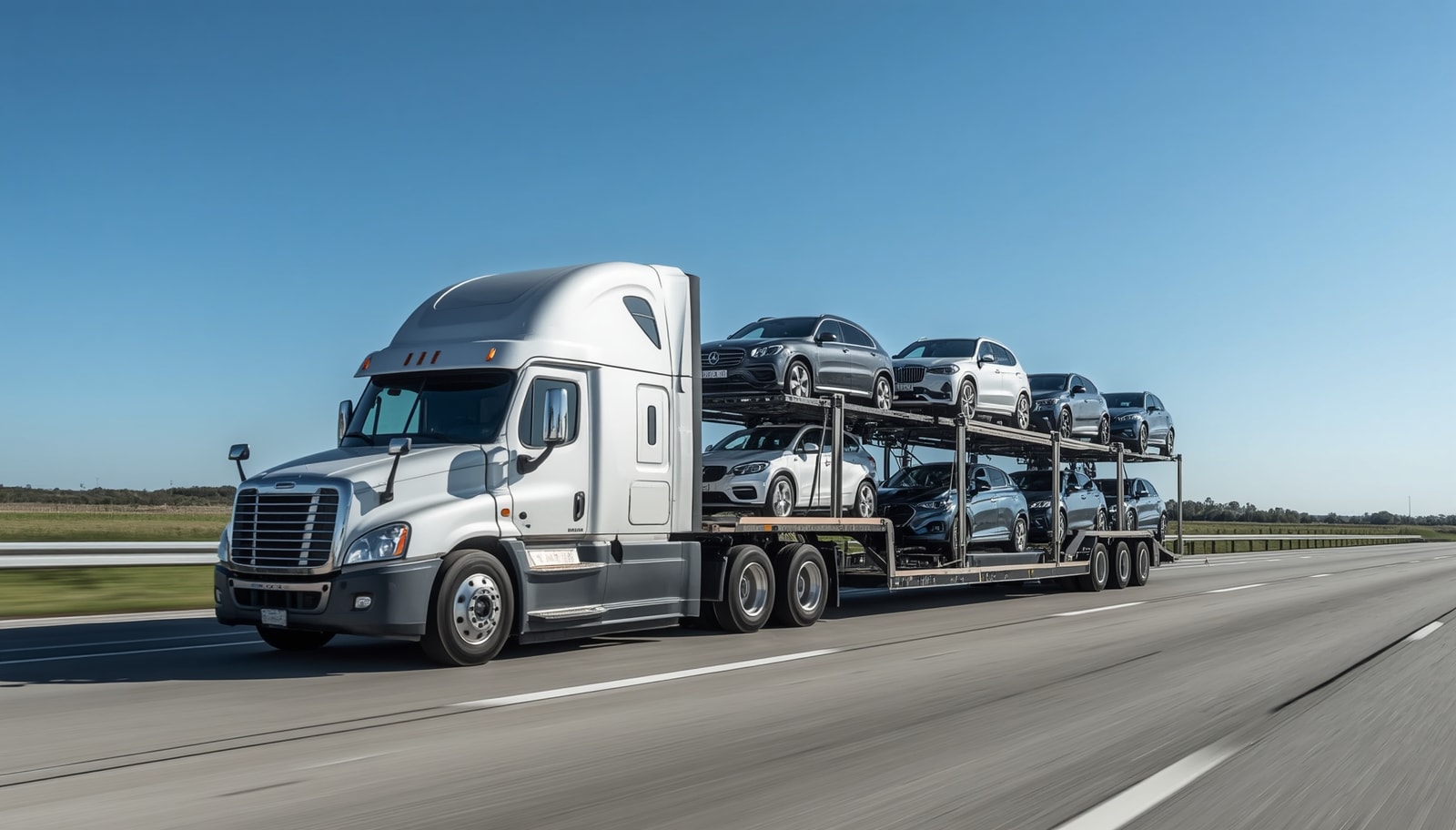
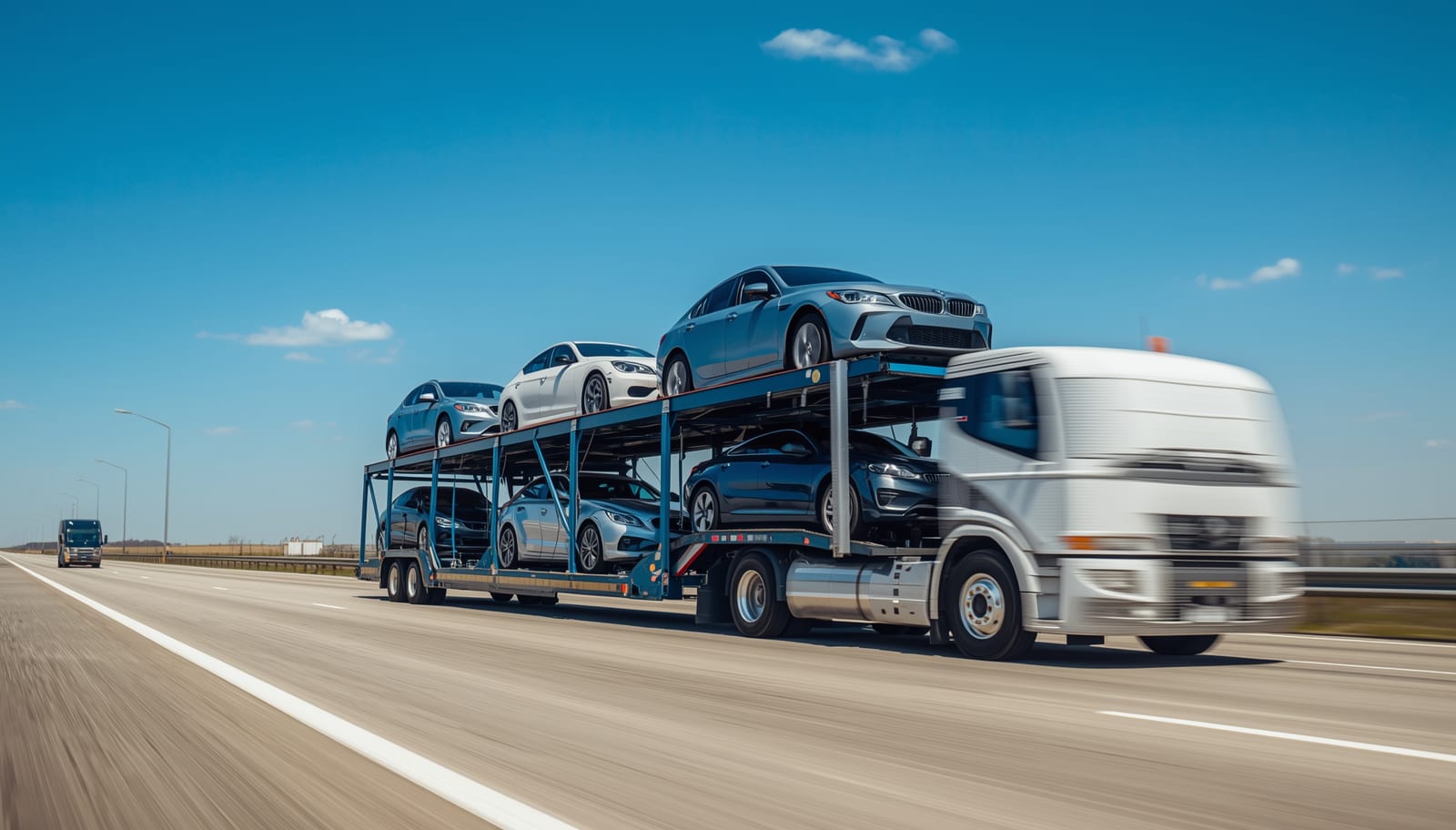
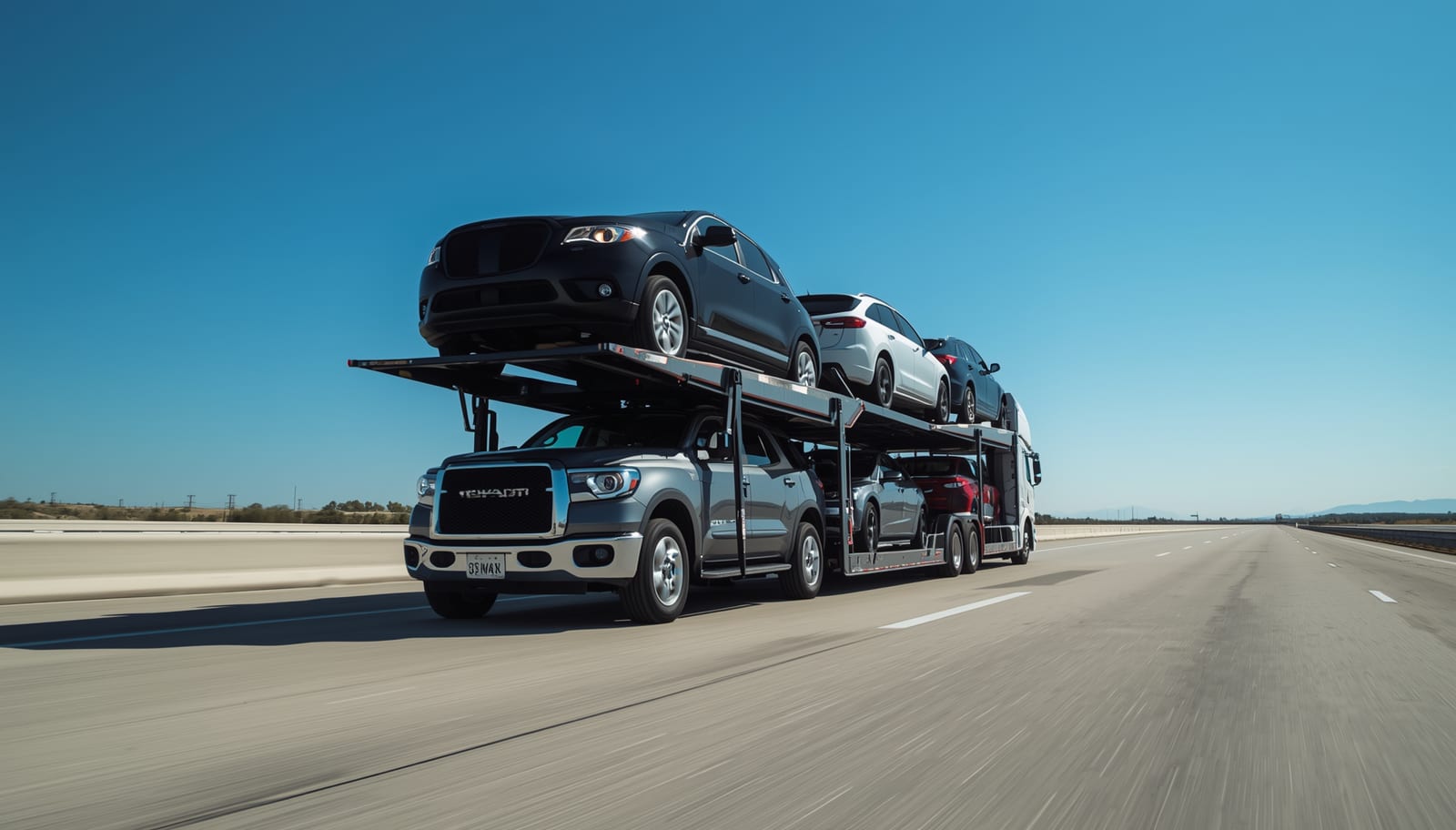
Open Transport: The most popular and affordable option. Your vehicle is loaded onto an open multi-level trailer alongside 7–10 other vehicles and transported to your address. Open transport is appropriate for standard used cars, daily drivers, and any vehicle where minor road exposure during transit is not a concern. It accounts for over 90% of all domestic auto transport and is the same method manufacturers use to move new cars from factories to dealerships.
Enclosed Transport: Your vehicle is placed inside a fully covered trailer, protected from weather, road debris, and UV exposure throughout transit. Enclosed transport costs 30–40% more than open, but is the right choice for high-value vehicles, luxury cars, vintage and classic vehicles, or any purchase where a single road-debris chip represents a meaningful financial or sentimental loss. If your Marketplace purchase is a collector car, an exotic, or a luxury vehicle, enclosed is the appropriate option regardless of the added cost.
For most used cars bought on Facebook Marketplace — sedans, crossovers, pickup trucks, and standard vehicles valued under $60,000 — open transport is the safe and cost-effective choice.
Step 3: Book With a Reputable Auto Transport Company
Choosing the right carrier or broker is the most consequential decision in the entire shipping process. The auto transport market contains a significant number of operators who advertise low rates and fail to deliver reliable service.
What to verify before booking:
- FMCSA registration — verify the broker's MC number at safer.fmcsa.dot.gov before paying anything
- Verified customer reviews on Google, Trustpilot, or the BBB from real, named customers
- Transparent, all-inclusive pricing with no hidden fees added after booking
- Insurance coverage details and confirmation of carrier identity at dispatch
- Clear communication about pickup windows, transit timelines, and driver contact information
Avoid booking the lowest quote without checking credentials. A quote $200 below every other broker for the same route is not a deal — it is a red flag. Legitimate brokers quote all-in pricing that reflects real carrier costs. Operators who lowball to win the booking frequently increase their price at dispatch, fail to assign a qualified carrier, or hold your deposit without service.
ShipMyCar US is FMCSA-licensed, dispatches only DOT-compliant carriers with verified insurance, and provides all-inclusive pricing that does not change after booking.
Step 4: Prepare the Vehicle for Pickup
Once transport is booked, the seller needs to prepare the vehicle for carrier pickup. As the buyer, you are responsible for coordinating this step with the seller — your carrier is dispatching to the seller's location, and an unprepared vehicle creates delays, potential damage claim disputes, and pickup complications.
Ask the seller to complete the following before the carrier arrives:
- Remove all personal items and valuables from the interior, trunk, and glove box
- Wash the vehicle — a clean car makes the condition inspection accurate and documentation photos clear
- Photograph the car from all four angles, the roof, both bumpers, and any existing damage areas with date-stamped images
- Leave only one-quarter tank of fuel — full tanks add unnecessary weight and violate standard carrier protocol
- Confirm tires are properly inflated and the battery is fully charged
- Disable any aftermarket alarm systems or leave deactivation instructions with the driver
- Provide a spare key if one is available
The seller's cooperation with this checklist directly affects how smoothly your pickup goes. Most sellers are accommodating when you explain what is required — the carrier needs the vehicle to start, drive onto the trailer, and have no surprises on pickup day.
Step 5: Coordinate Pickup and Delivery
One of the practical advantages of shipping a Facebook Marketplace purchase is that you never need to meet the seller in person. A reputable carrier picks up directly from the seller's location and delivers to your address.
Door-to-door delivery: The carrier picks up from the seller's address and delivers directly to your home or business. This is the most convenient option and is standard on all ShipMyCar US bookings. If the seller's street or your delivery address has access constraints for a large multi-car hauler, the carrier will coordinate the nearest practical meeting point with you in advance.
Terminal-to-terminal: A more affordable option in cases where both parties are near a carrier terminal. The seller drops the vehicle at a designated terminal and you pick it up at a terminal near your destination. Less convenient but reduces cost in areas where terminal access is practical and proximity is workable.
You will receive your driver's direct contact information at dispatch. Ensure you or an authorized representative is present at your delivery address to inspect the vehicle and sign the Bill of Lading before the carrier departs. Do not sign the delivery receipt until you have inspected the vehicle thoroughly in adequate lighting.
How Much Does Facebook Marketplace Car Shipping Cost?
Shipping costs vary based on route distance, vehicle size, transport type, vehicle condition, and seasonal demand.
Distance is the largest factor: Per-mile rates decrease on longer routes — a 500-mile shipment costs more per mile than a 2,000-mile shipment, even though the total dollar amount is higher.
Average open transport cost estimates for a standard passenger vehicle:
- Under 500 miles: $500–$750
- 500–1,000 miles: $750–$1,100
- 1,000–2,000 miles: $950–$1,400
- Over 2,000 miles (coast-to-coast): $1,200–$1,700
Vehicle type: Full-size SUVs, pickup trucks, and vehicles with non-standard dimensions cost more than sedans due to the additional carrier space they occupy.
Enclosed transport: Adds 30–40% above open transport estimates for the same route and vehicle type.
Non-operable vehicles: Require winch-equipped carriers, which add $100–$150 above standard rates. Disclose non-operable status at booking.
Season and timing: Summer (June–August) is the most expensive season nationally. January and February typically offer the most competitive rates. Book 10–14 days ahead when possible — last-minute bookings run 20–30% above standard quoted rates.
Use the ShipMyCar US quote form to get an instant, route-specific estimate with no obligation and no upfront payment required.
Is It Safe to Ship a Car You Bought on Facebook Marketplace?
Yes — if you choose a licensed, insured, and FMCSA-compliant carrier or broker. Auto transport is a regulated industry with federal oversight, and the vast majority of domestic shipments are completed without damage or incident.
With ShipMyCar US:
- All carriers hold active FMCSA Motor Carrier authority and current DOT registration
- Every dispatched carrier carries minimum $100,000 cargo insurance
- You receive a Bill of Lading at pickup and at delivery — a legal document that records your vehicle's condition at both ends of the shipment
- Carrier contact information is provided at dispatch so you can communicate directly with your driver throughout transit
The Bill of Lading is your most important legal protection. Ensure the seller walks the vehicle with the carrier at pickup and that every pre-existing scratch, dent, or chip is documented before the carrier departs the seller's location. Photograph the completed Bill of Lading alongside the seller's own pre-pickup photos. At delivery, inspect the vehicle before signing the receipt and note any new damage in writing before the driver leaves.
Common Mistakes to Avoid When Shipping a Facebook Marketplace Car
Shipping a car you bought online is straightforward when done correctly. These are the mistakes that consistently create problems for buyers.
Skipping VIN verification and title checks: Never arrange transport — or pay the seller in full — before confirming a clean title in the seller's name and a clear vehicle history report. A VIN check takes minutes and can prevent an irreversible mistake that costs thousands.
Paying the seller in full before pickup is confirmed: Pay a reasonable deposit to hold the vehicle, but structure payment so the final balance is not released until the carrier has confirmed pickup and the vehicle is in transit. Some buyers release full payment immediately, then face a seller who becomes uncooperative with the carrier at pickup day.
Accepting a quote without confirming what is included: All-inclusive quotes should cover pickup, transit, delivery, fuel surcharges, and insurance. Quotes that add fees at dispatch — rural delivery surcharges, fuel adjustments, or size upcharges not disclosed upfront — are a sign of a low-quality operator. Confirm at booking that the price is final.
Booking an unlicensed or unreviewed company: Verify the broker's FMCSA MC number before booking. Any legitimate auto transport broker will have an active, searchable number at safer.fmcsa.dot.gov. A company without verifiable FMCSA registration is operating outside federal compliance requirements and should not be trusted with your vehicle.
Delaying your booking after the sale: Facebook Marketplace deals move fast and good carrier slots fill up. Once the sale is confirmed, book transport as soon as possible. Last-minute bookings — within 48 to 72 hours of a required pickup — face significantly higher rates and reduced carrier availability on most routes.
Source: every broker and carrier's operating authority, safety rating, and insurance status is public record — verify any company for free at the FMCSA SAFER System.