
Handling a loved one's car after they pass is one of many tasks that land on a family at a hard time. If the car needs to move to another state — to an heir, to be sold, or to be stored — the key question for any carrier is simple: who has the legal authority to release it?
This guide explains the documents executors and heirs typically need, the common ways a title passes after death, and a checklist to get the car moving. Rules vary by state, so confirm with the probate court or motor vehicle agency where the car is titled. This is general information, not legal advice.
Free car shipping quote
What will it cost to ship your car?
Get Your Free Quote
Free quote in 60 seconds · We never sell your info
What Carriers Need Before Moving the Car
- A certified death certificate: A certified copy, not a photocopy.
- Proof of authority: Depending on the situation, Letters Testamentary, Letters of Administration, a small-estate affidavit, or the title showing a transfer-on-death beneficiary.
- The title or current registration.
- A government photo ID matching the person named on the authority document.
- Keys: Ideally two sets — one for the driver, one for you.
- Contacts at pickup and delivery, plus a backup.
Three Common Title Transfer Paths
Transfer-on-death (TOD) beneficiary or joint owner: Many states allow a TOD beneficiary on a vehicle title. If one is named, or a surviving co-owner is on the title, the transfer can often happen without probate.
Small estate procedure: Many states have a simplified process for smaller estates, often using an affidavit filed with the motor vehicle agency. Some states require a waiting period after the death before it can be used.
Probate: When the estate goes through probate, the court appoints an executor (with a will) or administrator (without one). Their Letters Testamentary or Letters of Administration give them authority over the car.
An 8-Item Executor Checklist
- Locate the title and registration.
- Find out how the vehicle was titled — sole owner, joint owner or TOD.
- Order several certified death certificates.
- Confirm whether there's a will and whether probate is needed.
- Obtain Letters Testamentary or Letters of Administration if required.
- Keep the insurance and registration current until the transfer.
- Check for liens; a lender may need to be involved.
- Decide on pickup and delivery addresses and who will be present.
Want your actual price? Request a free quote in 60 seconds — no payment, no spam.
Get My Free Quote →Common Pickup Situations
At the deceased's home: Usually fine to leave until the estate is settled, if insurance stays active. Someone with authority, or authorized by them, should release it.
At a hospital, care facility or apartment complex: These lots may tow or charge fees. Move sooner if possible.
The car doesn't run after sitting: Batteries die and tires lose air. Tell us at booking so we send a winch-equipped truck. See inoperable vehicle transport.
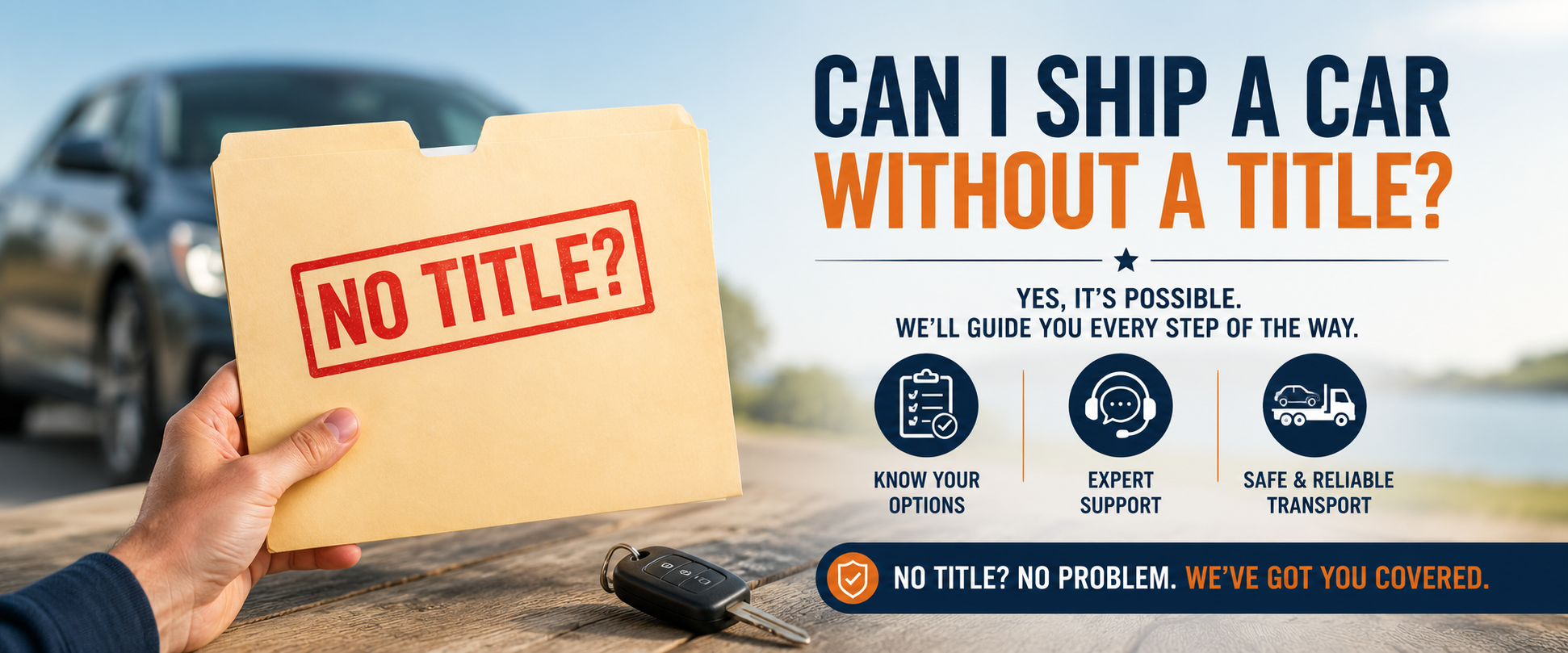
Shipping before the title is transferred: Often possible with proof of authority. See can I ship a car without a title.
How ShipMyCar US Can Help
We'll tell you exactly what the carrier needs before pickup, coordinate with whoever is releasing the car, and keep you updated through delivery. If the car needs to go to a family member far away, door-to-door auto transport means no one has to make the drive.
Selling or Donating an Inherited Car
If no one in the family wants the car, you have options:
- Sell it locally where it's located, and avoid shipping altogether.
- Sell to a dealer or online buyer, who may arrange pickup.
- Donate it to a charity, which often handles towing.
- Ship it to a family member who will use or sell it.
Compare the car's value with the cost of shipping before deciding. Shipping usually makes sense for cars with real value or sentimental meaning.
Taking Care of the Personal Side
Before the car is picked up, check it carefully for personal items: papers in the glove box, photos, sunglasses, garage door openers and anything in the trunk. Family members often find these items meaningful. Remove toll tags and cancel any connected services or subscriptions linked to the car.
Want your actual price? Request a free quote in 60 seconds — no payment, no spam.
Get My Free Quote →Insurance and Registration During the Transition
Keep the existing insurance active until ownership is transferred and the new owner has coverage. After the title is transferred, the new owner registers the car in their state. See moving a car to a new state.
Letters Testamentary vs. Letters of Administration
Letters Testamentary are issued by a probate court to the executor named in a will. They confirm the executor's authority to manage the estate, including the vehicle.
Letters of Administration are issued when there's no will, or the named executor can't serve. The court appoints an administrator with similar authority.
Carriers and motor vehicle agencies typically want a certified copy, often with a raised seal and a recent date. Ask the court clerk for several certified copies — you'll need them for banks, insurers and the DMV too.
Waiting Periods and Small Estates
Many states offer a simplified process for small estates, which can let heirs transfer a vehicle without full probate. Some states require a waiting period after the death before the small-estate process can be used. The rules, forms and value limits vary by state. The motor vehicle agency in the state where the car is titled can tell you which form to use, whether a waiting period applies, and what documents they'll accept.
If the Vehicle Has a Loan
If the car was financed, the lender has a lien on the title. Contact the lender early. Options usually include paying off the loan from estate funds, having an heir assume or refinance it, or selling the car and paying off the balance. The lender may need to approve any transfer, and some lenders want to know before the car is moved out of state.
Picking Up From Hospitals, Care Facilities or Rentals
Cars left at hospitals, assisted-living facilities or apartment complexes can face towing or fees. Contact the facility as soon as possible to explain the situation and ask how long the car can stay. If you need to move it quickly, an authorized person can release it to a carrier. We'll coordinate with the facility's staff on timing and access.
Moving the Car to Another State
If the heir lives in another state, the car can often ship before or after the title transfer, depending on the documents you have. After delivery, the heir will title and register it in their state, which may require a VIN inspection, emissions test or safety inspection. See moving a car to a new state.
We'll Make It Simple
This is a hard time, and moving a car shouldn't add stress. Tell us what documents you have, and we'll confirm what the carrier needs before scheduling. We'll coordinate pickup with whoever has access to the car and keep you updated until it arrives. See door-to-door auto transport.
Title Transfer Paths in More Detail
Transfer-on-death (TOD): In states that allow it, the owner names a beneficiary on the title or registration. After the owner's death, the beneficiary usually presents the death certificate and title to the motor vehicle agency to transfer ownership — often without probate. The beneficiary can typically release the car for transport.
Joint ownership: If the title lists two owners with "or" between the names, the surviving owner can usually transfer or use the car with a death certificate. "And" titles may need additional steps depending on the state.
Small estate: The heir fills out the state's small-estate affidavit or form, often with a death certificate and proof of relationship, and the agency issues a new title.
Probate: The executor or administrator handles the transfer using court letters, either selling the car or transferring it to an heir.
Costs to Expect
- Certified death certificates
- Court filing fees, if probate is required
- Title transfer and registration fees in the heir's state
- Any loan payoff
- Shipping — typically $400–$750 under 500 miles and $700–$1,050 for 500–1,000 miles for a sedan on an open carrier
- Possible storage or towing fees if the car is at a facility
Frequently Asked Questions
Can I ship a deceased relative's car before probate is finished?: Often, yes — depending on how the car was titled and whether you have documents showing authority to release it, such as a TOD designation or court letters.
What documents does a carrier need to ship an inherited car?: Typically a certified death certificate, proof of authority, the title or registration, and a photo ID matching the authorized person.
What is the difference between Letters Testamentary and Letters of Administration?: Letters Testamentary are issued to an executor named in a will. Letters of Administration are issued to an administrator when there's no will.
Can the car stay at the deceased's home during probate?: Usually, if insurance and registration stay current. Cars at facilities or rentals may need to be moved sooner.
Do I need a death certificate to ship the car?: Usually, yes — a certified copy along with proof of your authority to release the car.
Can a family member who isn't the executor release the car?: Only if the executor or administrator authorizes them, or the title or state process gives them authority.
What if the car hasn't been driven in months?: Check the battery and tires. If it won't start, a winch-equipped carrier can still move it.
Can the car be shipped to the heir before the title is in their name?: Often, if you have documents showing authority to release it. The heir then completes the title transfer after delivery.
Should I keep insuring the car?: Yes. Keep insurance active until the transfer is complete and the new owner has coverage.
Source: every broker and carrier's operating authority, safety rating, and insurance status is public record — verify any company for free at the FMCSA SAFER System.
Related Articles
Can I Ship a Car Without a Title in 2025? Here's What You Need to Know
Moving a Car to a New State: Registration, Inspection and Title Rules
