Your car is one of the most personal purchases you'll ever make. It sits in your driveway, carries your family, hauls your gear, and gets you through every season of life. But here's what most people don't realize: the vehicle you choose reveals a surprising amount about your personality, your priorities, and even your values.
And when it's time to ship that vehicle — whether you're relocating across the country, buying a car online, or sending a classic to a show — understanding what your car means to you helps you make smarter decisions about how to protect it.
In this guide, we break down the psychology of vehicle choice, what each car type says about its owner, and what that means when it comes to auto transport.
The Psychology of Vehicle Choice: Why We Drive What We Drive
Psychologists have studied consumer behavior around vehicle purchases for decades, and one finding keeps coming up: people don't just buy cars based on practicality. They buy cars that reflect who they are — or who they want to be.
This concept is called symbolic self-completion. It's the idea that we use material objects, including vehicles, to signal identity to the world around us. Your car is a rolling billboard for your values, your lifestyle, and your self-image.
Research consistently shows that vehicle preferences are tied to personality traits. Extroverts tend to prefer bolder, more visually striking vehicles. Conscientious individuals gravitate toward reliable, well-reviewed brands. Openness to experience often predicts interest in EVs or unconventional vehicle types.
The bottom line: your car choice is rarely accidental. Even when you think you're being purely rational, psychological factors are shaping your decision.
Sedans: The Practical Planner
Sedan drivers are the backbone of the road. They're organized, efficient, and they don't need to impress anyone. They did their research, compared the fuel economy numbers, read the reliability ratings, and made the smart call.
If you drive a sedan, you likely value:
- Efficiency over excess
- Long-term thinking over short-term status
- Comfort without unnecessary complexity
Common sedan driver personalities: accountants, teachers, engineers, and anyone who genuinely enjoys a well-optimized decision.
What this means for shipping your sedan: You'll want a reliable, straightforward quote with no hidden fees. Open transport is almost always the right choice — cost-effective, widely available, and perfectly safe for a standard vehicle.
SUVs: The Family-Focused Adventurer
SUV drivers are planners, but they plan for the unexpected. They need room for the kids, the dog, the camping gear, and still have space for that random piece of furniture they spotted on the side of the road.
If you drive an SUV, you likely value:
- Versatility and adaptability
- Safety above all else
- The ability to pivot when life changes
The SUV has become the definitive American family vehicle because it handles everything without complaint — just like the people who drive them.
What this means for shipping your SUV: Because of their height and size, some SUVs require specialized loading on transport carriers. Always confirm your vehicle's dimensions with your auto transport company so the right truck is dispatched.
Pickup Trucks: The Rugged Individualist
Truck drivers are a proud group, and for good reason. They work hard, they don't make excuses, and they'll be the first to show up when someone needs help moving. The truck is a tool, an identity, and a statement all at once.
If you drive a pickup, you likely value:
- Self-reliance and capability
- Hard work and follow-through
- Community — trucks are often used for others, not just the owner
Pickup trucks are consistently the best-selling vehicles in America year after year, which says something significant about national identity and values.
What this means for shipping your truck: Lifted trucks or those with aftermarket modifications need careful attention during auto transport. Make sure your shipper knows the exact height and any custom parts that could be affected during loading or transit.
Luxury Vehicles: The Prestige-Oriented Achiever
Luxury car owners aren't just buying transportation. They're buying a reward. A BMW, Mercedes-Benz, Lexus, or Audi represents years of hard work, and the driver knows it. These vehicles are chosen with care, maintained meticulously, and parked carefully.
If you drive a luxury vehicle, you likely value:
- Quality craftsmanship and attention to detail
- Status as a reflection of personal achievement
- The premium experience in all areas of life
What this means for shipping your luxury car: Enclosed auto transport is strongly recommended. It protects your vehicle from road debris, weather, and the elements during transit. Yes, it costs more — but luxury car owners understand that protecting a valuable investment is always worth it.
Sports Cars: The Bold Explorer
Sports car drivers live for the experience. The feel of the road, the sound of the engine, the way the car responds to every input — these are the people who drive for the joy of driving, not just to get somewhere.
If you drive a sports car, you likely value:
- Freedom and independence
- Performance over practicality
- Making a statement with every decision
What this means for shipping your sports car: Low ground clearance is the biggest concern. Sports cars often can't be driven onto standard auto transport ramps without risking damage to the front splitter or undercarriage. Always use a shipper experienced with exotic and performance vehicles, and request enclosed transport for maximum protection.
Electric and Hybrid Vehicles: The Future-Focused Visionary
EV drivers are not just buying a car — they're making a statement about the future they believe in. They're early adopters, tech-savvy, and they've likely done more research on their vehicle than anyone else on this list.
If you drive an EV or hybrid, you likely value:
- Environmental responsibility
- Innovation and forward thinking
- Long-term systemic thinking over short-term convenience
What this means for shipping your EV: EVs have specific transport requirements. Batteries should not be fully charged or completely depleted before shipping. Most auto transport companies recommend a 20–50% charge level. Also confirm that the transport company has experience with electric vehicles, as improper handling can affect battery health.
Classic and Vintage Cars: The Sentimental Collector
Classic car owners have a relationship with their vehicle that goes far beyond transportation. That '69 Camaro, that '57 Bel Air, or that original Beetle isn't just a car — it's a piece of history, a family heirloom, a labor of love.
If you drive a classic, you likely value:
- Craftsmanship and heritage
- Emotional connection over utility
- Preserving what others might overlook
What this means for shipping your classic: Enclosed transport is non-negotiable. Classic vehicles are irreplaceable, often uninsured at full market value by standard policies, and extremely sensitive to weather exposure and road debris. Only use auto transport companies with specific experience in classic vehicle shipping.
The 6 Biggest Mistakes People Make When Shipping Their Car
Understanding your vehicle type is step one. Avoiding these common shipping mistakes is step two.
Choosing price over reputation: The cheapest quote is rarely the best choice. Always check reviews, verify insurance coverage, and confirm the company is registered with the FMCSA.
Not documenting the vehicle's condition before pickup: Take photos from every angle, including under the vehicle, before handing over the keys. This protects you if any damage occurs during transit.
Leaving personal items inside the vehicle: Auto transport insurance does not cover personal belongings. Remove everything from the car before shipping.
Not understanding open vs. enclosed transport: Open transport is safe for most standard vehicles. Enclosed is worth the investment for luxury, exotic, classic, or low-clearance vehicles.
Booking too late: Auto transport requires lead time, especially during peak seasons (summer and around major holidays). Book at least two weeks in advance when possible.
Not being available for pickup and delivery: Someone must be present to inspect the vehicle and sign the Bill of Lading at both ends. Missing this step can create complications if a damage claim is needed later.
Open vs. Enclosed Transport: Which Is Right for Your Vehicle?
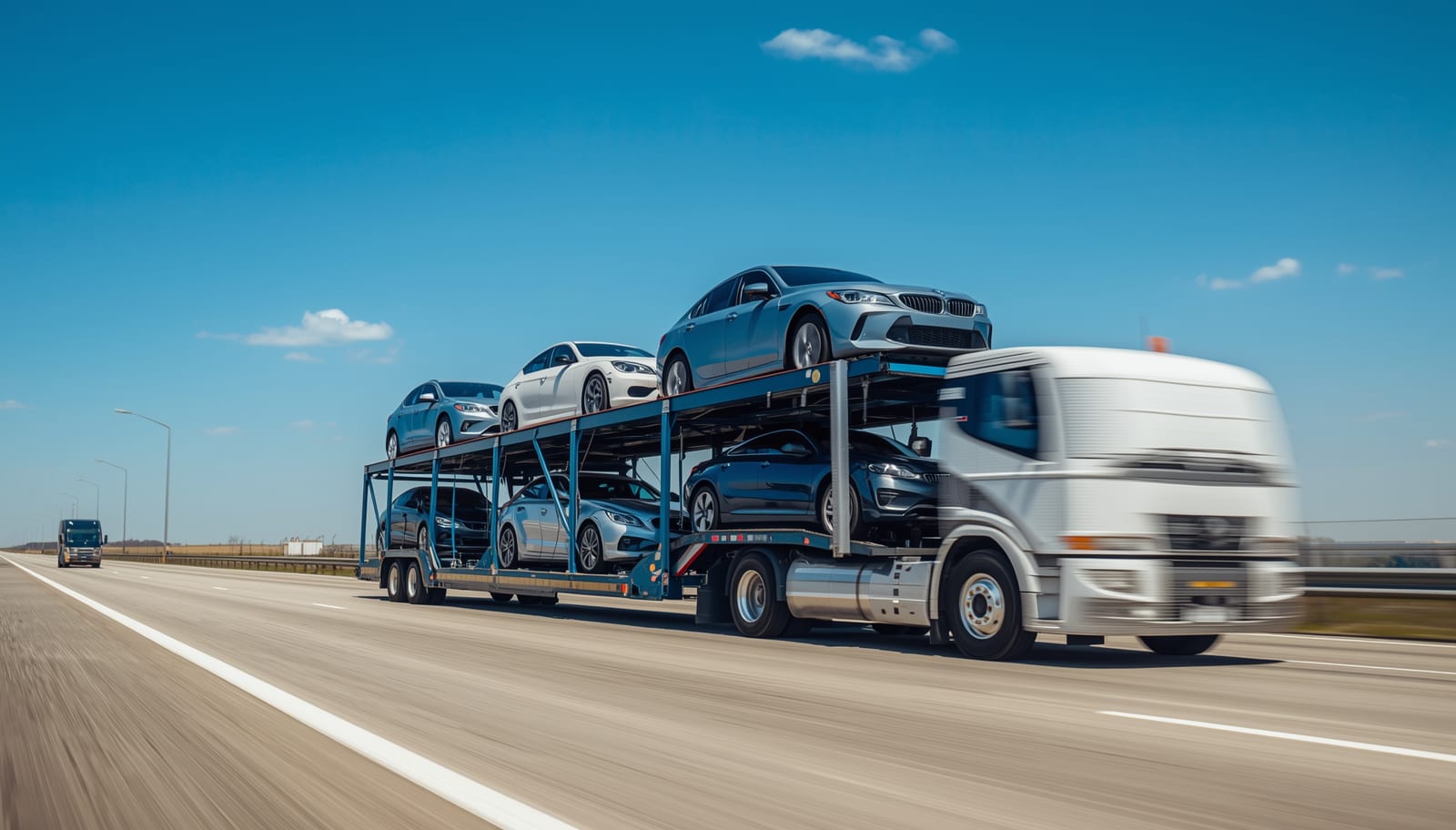
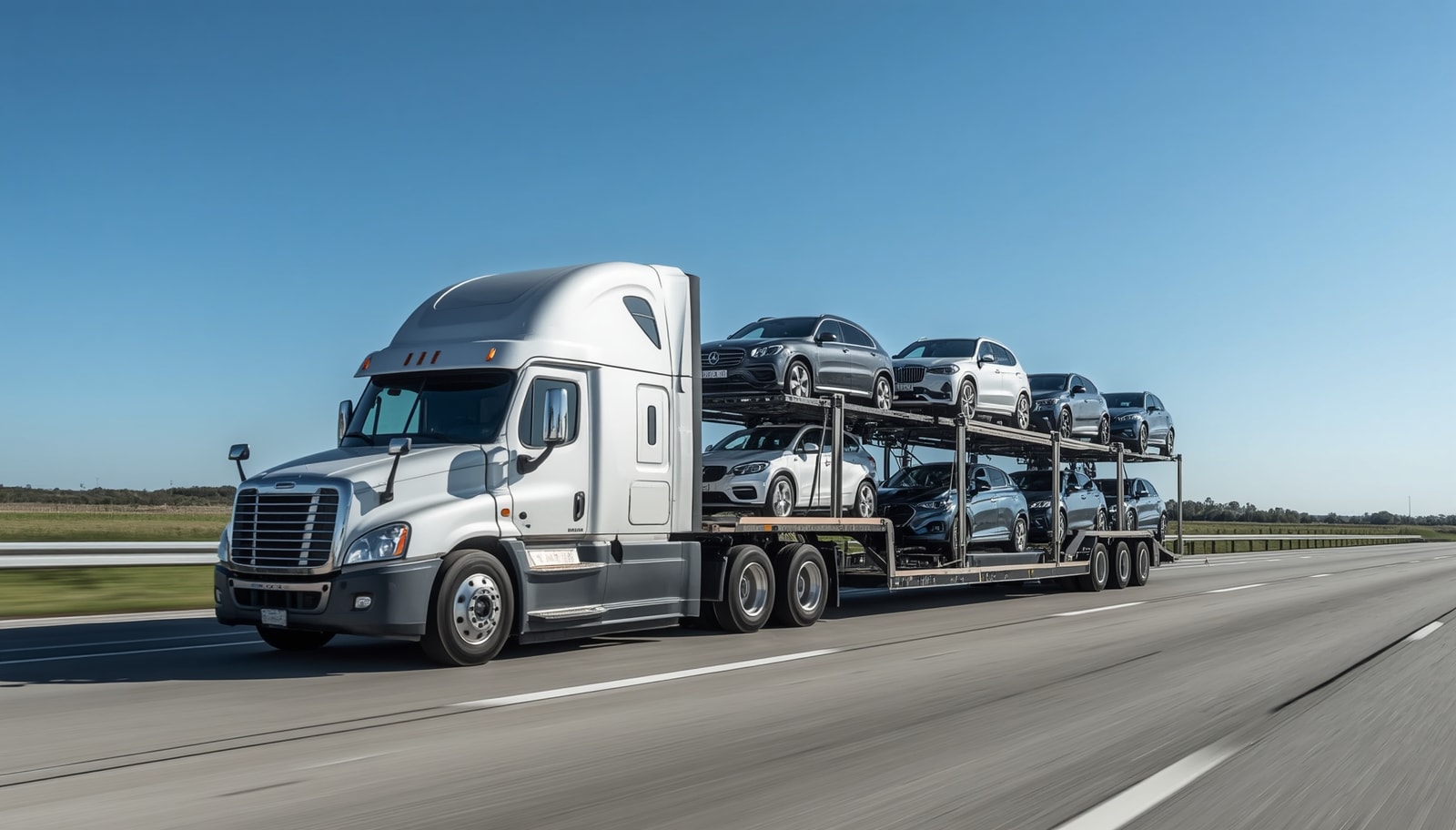
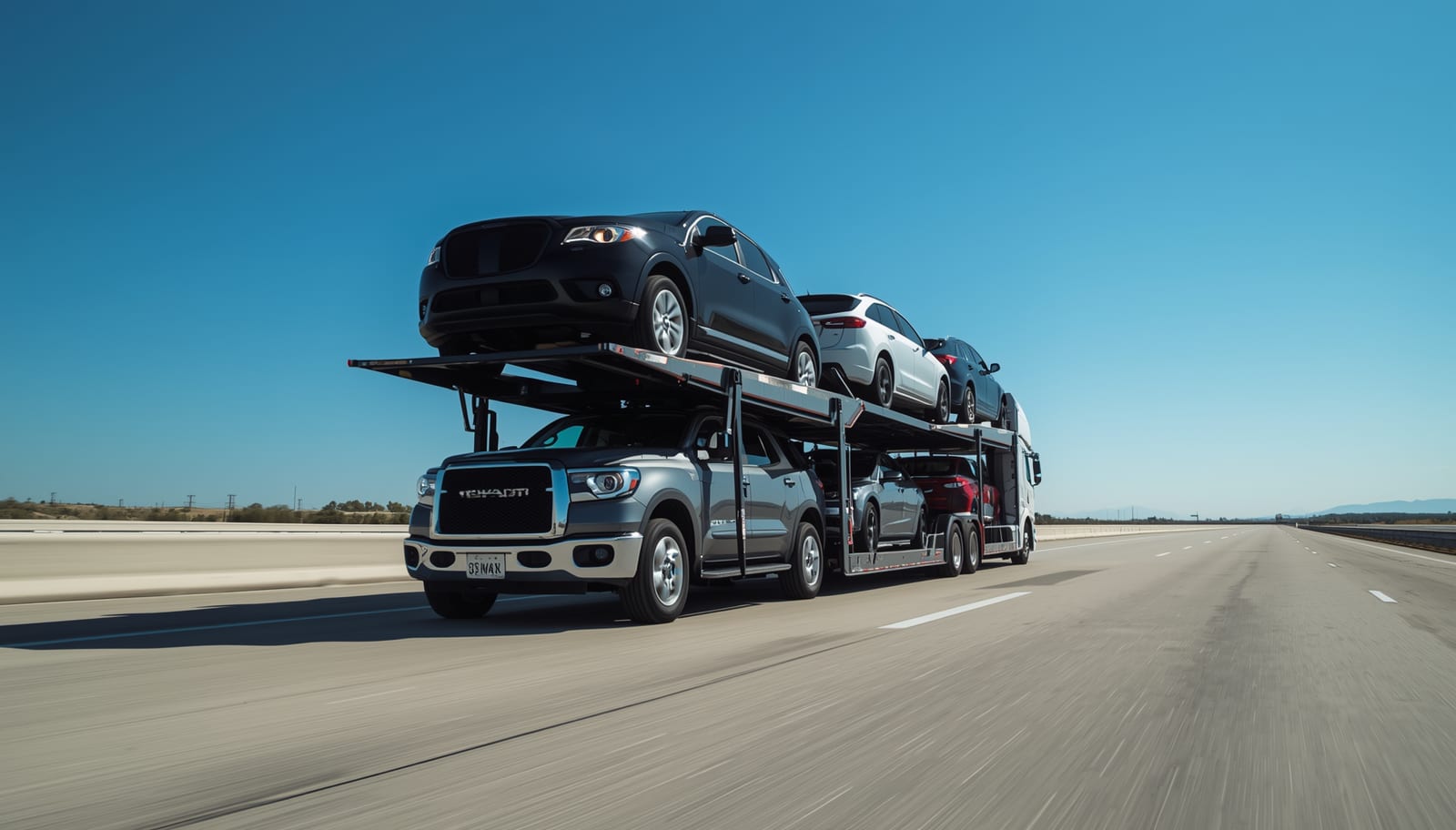
Open transport is the industry standard. Your vehicle is loaded onto an open carrier alongside other vehicles — the same type of truck you see on highways carrying new cars from manufacturers to dealerships. It's cost-effective, widely available, and perfectly safe for the vast majority of vehicles.
Enclosed transport places your vehicle inside a covered trailer, protecting it from weather, road debris, and the elements during transit. It costs roughly 30–40% more than open transport, but for the right vehicle, it's not optional — it's essential.
Choose enclosed transport if you drive:
- A luxury or exotic vehicle valued over $50,000
- A classic or vintage car
- A modified or custom vehicle with aftermarket body work
- A sports car with extremely low ground clearance
- Any vehicle you would be devastated to see arrive with a small chip or scratch
How to Get an Accurate Auto Transport Quote
Getting a quote isn't complicated, but providing accurate information upfront saves time and prevents surprises. Your quote will be based on several key factors.
Distance: The single biggest factor. Cross-country shipments cost more than regional ones, though the per-mile rate actually decreases over longer distances.
Vehicle size and weight: Larger, heavier vehicles take up more space on the carrier and add to transport costs.
Transport type: Open vs. enclosed — as discussed above — is one of the most significant cost variables.
Pickup and delivery locations: Door-to-door service is convenient but may cost slightly more if your location is off a major route. Terminal-to-terminal is available in some areas at a reduced cost.
Time of year: Peak seasons (summer, and January for the snowbird routes to Florida) drive prices up due to high demand.
Vehicle operability: Non-running vehicles require special equipment to load and unload, which adds to the overall cost.
Why Your Vehicle's Story Matters to Us
At the end of the day, we're not shipping metal and plastic. We're shipping your means of freedom, your family hauler, your weekend escape, your life's work, or your grandfather's pride and joy.
Every vehicle that comes through our care carries a story. The family relocating across the country for a new job. The collector who finally found the car they've been searching for on the other side of the country. The military family moving for the fifth time in eight years. The snowbird heading south for the winter.
Understanding what your car means to you helps us treat it the way it deserves to be treated — with care, with attention, and with the respect it has earned.
Your vehicle choice is one of the most personal decisions you make. Whether you're a practical sedan driver, a rugged truck owner, a forward-thinking EV advocate, or a passionate classic car collector, your car reflects something real about who you are. When it comes time to ship that vehicle, that same thoughtfulness deserves to carry through. Choose a transport company that understands your vehicle isn't just a car — it's an extension of you.
Source: every broker and carrier's operating authority, safety rating, and insurance status is public record — verify any company for free at the FMCSA SAFER System.